
HEALTH
The Complete Guide to Vicarious Reinforcement Definition


Have you ever held back from doing something risky — not because you got caught, but because you watched someone else face the consequences? That moment of hesitation is vicarious reinforcement at work. It’s one of the most quietly powerful forces shaping human behavior, and most people never notice it happening.
The vicarious reinforcement definition is straightforward: it’s a learning process where a person increases or decreases a behavior based on observing rewards or punishments happening to someone else — not to themselves. Psychologist Albert Bandura identified this mechanism as central to how humans develop socially. You don’t need to touch the stove to know it burns. Watching someone else get burned teaches you just as effectively.
This concept sits at the intersection of behaviorism and social learning theory, and it explains a surprising amount of how children develop, how workplaces function, and how social norms spread without anyone explicitly teaching them.
What Is Vicarious Reinforcement?
At its core, vicarious reinforcement is about learning through observation rather than direct experience. When someone sees another person rewarded for a behavior, they become more likely to imitate that behavior themselves. When they see someone punished, they tend to avoid it. This copying of behaviors based on observed outcomes is what separates vicarious reinforcement from other forms of learning.
Albert Bandura formalized this idea within social learning theory. Unlike pure behaviorism — which focuses only on direct reward and punishment as drivers of learning — Bandura’s framework recognized that human cognition and social influence play a central role. People don’t just react to what happens to them. They watch, process, and adapt through their cognitive abilities to interpret what they see happening around them.
Vicarious reinforcement differs from direct reinforcement in one key way: the source of feedback. In direct reinforcement (a concept from operant conditioning), the individual personally experiences the consequence. In vicarious reinforcement, the consequence happens to a model — and the observer internalizes the lesson. Both influence behavior, but through different pathways.
Components of Vicarious Reinforcement
Understanding how this process works requires knowing who’s involved and what each person does.
Who Is the Model?
The model is the person whose behavior is on display — the one whose actions and consequences others observe. They perform an action, receive either a reward or a negative consequence, and through that, their behavior becomes available for adoption by others watching. The model doesn’t need to be aware they’re teaching anyone.
Models can be parents, peers, teachers, public figures, or even characters in media. The more the observer identifies with the adult model or role model — in age, role, or context — the stronger the effect tends to be.
Who Is the Observer?
The observer watches what happens to the model and draws conclusions. If the outcome was positive, the observer is more likely to mimic the same behavior. If the outcome was negative, they tend to avoid it. Witnessing beneficial results in someone else can be just as motivating as a direct reward.
Critically, the observer doesn’t passively absorb information — they interpret it. Their past experiences, beliefs, and situational context all shape how learned behavior gets formed. Adaptive behaviors emerge when the observer successfully applies what they witnessed to their own situation. Two people can witness the same event and walk away with different behavioral takeaways.
What Is Observational Learning?
Observational learning is the mechanism through which vicarious reinforcement operates. It happens within a social and public context — people learn by watching others in their environment, mimicking what works and avoiding what doesn’t. Bandura identified four cognitive processes that make it work, combining both cognitive and behavioral elements:
| Process | Role in Learning |
| Attention | The observer must notice the model’s behavior and its outcome |
| Retention | The observed behavior must be stored in memory |
| Motor Reproduction | The observer must be capable of performing the behavior |
| Motivation | The observer must have a reason to replicate or avoid the behavior |
All four need to be present for observational learning to translate into actual behavioral change. A distracted observer may miss the reinforcement signal entirely.
Reinforcement vs Punishment
These two terms often get confused, especially when “negative” is added to either one.
The core distinction: reinforcement increases a behavior; punishment decreases it. Both can be positive (adding something) or negative (removing something). Avoidance behavior — where someone steers clear of a situation — is often the result of either direct or vicarious punishment. Understanding behavior theory helps clarify why the same consequence can reinforce one person and punish another depending on what they find aversive. An aversive stimulus, for instance, is something the individual wants to escape or avoid — and removing it through negative reinforcement actually increases behavior rather than reducing it.
- Positive reinforcement: A reward is added after a behavior → behavior increases
- Negative reinforcement: An unpleasant aversive stimulus is removed → behavior increases
- Positive punishment: An unpleasant consequence is added → behavior decreases
- Negative punishment: A desired outcome is removed → behavior decreases
Positive and Negative Punishment
In vicarious contexts, punishment works by deterrence through observation. A child watches a classmate lose recess for bad behavior — that’s negative punishment modeled publicly, removing a desired outcome. Another student sees a peer receive a reprimand — that’s positive punishment. Either way, the future behavior of observers shifts based on what they witness, even though the direct punishment didn’t happen to them.
The result is behavioral change without personal consequence. In practice, public consequences tend to carry more vicarious weight than private ones precisely because the social visibility of the outcome reaches more observers.
Types of Reinforcement: Direct vs Vicarious vs Self
Behavioral learning doesn’t happen through a single channel. There are three distinct types:
Direct Reinforcement
This is the classic operant conditioning model. A person acts, and they immediately experience a consequence — positive or negative. A student aces an exam and receives praise and recognition from their teacher, an authority figure whose feedback carries weight. A worker arrives late and faces a natural consequence in the form of a formal warning. The feedback loop is tight and personal — immediate feedback makes direct reinforcement the most impactful type because the lesson lands without any interpretation required.
Vicarious Reinforcement
Here, the individual learns by watching others. The consequence is experienced by the model, not the observer — but the observer updates their behavior anyway. According to Woolfolk et al. (2013), when individuals learn through vicarious reinforcement, they adapt their behaviors based on observed experiences to achieve similar or avoid opposite results. A student demonstrating fair play after watching peers receive positive feedback for it — even without being reinforced directly — shows how behavioral patterns form through observation alone.
Self-Reinforcement
This type is internally driven. The individual sets personal goals and rewards or criticizes themselves based on whether they meet those standards. Someone working toward a fitness milestone might reward themselves with new gear after reaching a target weight — an example of behaviorist conditioning applied self-directedly. Woolfolk et al. (2013) describe this as individuals proactively creating reinforcing conditions for their own behavior. It relies on internalized values rather than external feedback, making it the most autonomous form of behavioral regulation.
Origins of Vicarious Reinforcement
Vicarious reinforcement as a formal concept traces back to Albert Bandura and his development of Social Learning Theory (SLT) in the 1970s. The theory challenged behaviorism’s exclusive focus on direct conditioning by arguing that much of human learning happens through social observation and modeling.
The most cited evidence came from Bandura’s 1977 Bobo Doll Experiment. Children were divided into two groups. One group watched an adult model act aggressively toward an inflatable doll — hitting, kicking, and yelling at it. The other group watched an adult behave calmly and positively toward the same doll. When children were later placed alone with the doll, those who had observed aggression imitated it. Those who had observed calm behavior did not.
This wasn’t just a study about aggression. It was empirical evidence that behavioral patterns could be learned vicariously — without any direct reinforcement to the observer. Bandura concluded that attention, retention, motor reproduction, and motivation collectively drive whether observed behavior gets adopted.
More recent research, including Mukhalalati et al. (2022), has applied social learning theory to health professions education, confirming that observational learning and modeling remain valid and effective across professional contexts.
Examples of Vicarious Reinforcement
Vicarious reinforcement shows up across nearly every context of human life:
- Sports: Young athletes who watch professional role models receive recognition for exceptional performance become more motivated to replicate those training habits.
- Academic achievement: A student who watches a peer earn top marks and public praise may adopt similar study strategies, and siblings at home often pick up academic habits by watching each other succeed or struggle.
- Work performance: When a colleague receives a promotion for consistently going above and beyond, coworkers take note and often adjust their own output accordingly.
- Social behaviors: Children who observe kind and cooperative behavior being praised are more likely to develop those same social habits.
- Public speaking: Watching a confident speaker deliver a compelling presentation teaches observers specific techniques — pacing, tone, posture — that they can consciously incorporate into their own delivery.
- Cooking skills: Observing a chef on a cooking show prepare a dish successfully reinforces the idea that the technique is learnable and worth attempting, pushing aspiring cooks to try it themselves.
- Mental health: Watching someone successfully manage stress through exercise or meditation can encourage an observer to try those coping mechanisms during their own difficult moments.
- Driving behavior: Novice drivers who grew up watching patient, rule-following parents tend to mirror those habits when they get behind the wheel independently.
- Body image: Seeing public figures normalize appearance diversity can shift how younger audiences feel about their own self-image.
- Fitness and weight-loss programs: Success stories shared publicly reinforce that consistent effort leads to real results, motivating observers who are considering similar goals.
In most cases, the effect is strongest when the observer closely identifies with the model — same age group, same setting, or shared goals make the reinforcement signal more personally relevant.
Problems and Limitations of Vicarious Punishment
Vicarious punishment doesn’t always work the way it’s intended. Several well-documented psychological tendencies reduce its effectiveness:
Perceived personal immunity: Most people — especially adolescents in a specific development stage — operate with a personal fable that negative consequences happen to others, not to them. This adolescent egocentrism creates a mental shield against vicarious deterrence. Even when role models face clear backlash for their behavior, younger observers often dismiss the relevance to themselves.
The Gambler’s Fallacy: Observers may recognize that someone was punished, but rationalize that the bad outcome was a one-time event unlikely to repeat. They take the same risk, betting on better luck. The detrimental effects of this thinking pattern are well-documented in both adolescent risk behavior and adult decision-making.
Incomplete exposure: Vicarious punishment only works if the observer fully witnesses both the behavior and its consequence. Partial exposure — seeing the action but not the outcome — can actually increase curiosity-driven imitation.
Unnecessary fear and maladaptive fear responses: A common issue is that bystanders who don’t engage in the punished behavior may still develop anxiety about accidentally triggering a similar consequence. This can produce avoidance behaviors far beyond what was intended, sometimes with lasting consequences for confidence and participation.
These limitations are worth understanding clearly, especially in educational and parenting contexts where vicarious punishment is sometimes used deliberately.
Why Vicarious Reinforcement Is Valuable
Despite its limitations, vicarious reinforcement is one of the most efficient learning tools available.
It Saves Time
Direct reinforcement requires personal trial and error — an often slow and sometimes costly process. Vicarious reinforcement enables quicker learning by allowing observers to skip that stage entirely. They absorb lessons through behavior modeling without the firsthand risk, gaining practical understanding from someone else’s experience.
It Improves Decision-Making
Watching others navigate challenges gives observers a mental library of outcomes. This informed judgment improves decision-making confidence when facing new or uncertain situations. The observer doesn’t walk in blind — they carry observed experience as a reference point.
It Reinforces Positive Role Modeling
When leaders, employers, and parents understand that people around them are constantly watching and learning vicariously, it raises the stakes for modeling the right behavior. Organizations where senior employees demonstrate accountability, empathy, and responsibility tend to see motivation and productivity ripple outward through the team. Good habits form not through formal training, but through social observation — and that effect scales across entire workplaces.
Vicarious Reinforcement in Real-Life Contexts
Beyond theory, vicarious reinforcement has direct applications across several domains, making it one of the more practically useful concepts in contemporary fields of behavioral science and education.
Parenting: Children don’t only learn what they’re taught — they learn what they see. Parents who model calm conflict resolution, consistent effort, and respectful behavior are using vicarious reinforcement constantly. Effective parenting techniques account for this, recognizing that behavioral strategies must extend beyond correction to include what the child observes daily.
Education: Teachers who publicly recognize strong student work create a classroom environment where peers are vicariously motivated to meet that same standard. Skill development happens not just through instruction but through visible modeling of success.
Workplace: Managers who visibly reward initiative and penalize disengagement shape team behavior through vicarious signals more than through policy documents. Behavior modification at scale often happens this way — through observed consequences rather than individual feedback.
Mental health counseling: Therapists sometimes use group therapy settings precisely because watching peers work through challenges creates vicarious reinforcement. Clients gain hope and motivation from observing others’ progress, especially when supporting the next generation through early intervention programs.
A common issue is that adults underestimate how much children absorb vicariously. Behavioral strategies that focus only on direct correction — without managing what the child observes — often fall short.
Professional Support for Behavior Modification
When vicarious learning has produced maladaptive avoidance patterns, anxiety, or fear-driven behavior — particularly in individuals who have witnessed traumatic or severe punishment — professional support becomes valuable.
Cognitive Behavioral Therapy (CBT) is one of the most evidence-based approaches for addressing these patterns. It helps individuals identify the specific triggering situations, apply cognitive restructuring to challenge distorted thinking, and develop healthier coping strategies. A licensed clinical social worker or therapist can guide this process, tailoring intervention to the specific learned response. Exposure Therapy, which involves systematic desensitization to feared situations, is particularly effective when avoidance has become disruptive to daily life.
Telehealth therapy has expanded access to these treatments significantly, with research confirming that video-based therapy sessions produce outcomes comparable to in-person treatment for anxiety, depression, and related functional limitations.
Conclusion
Vicarious reinforcement is a powerful psychological mechanism that most people never consciously register — but it shapes behavior continuously. From the classroom to the workplace, observing others’ rewards and consequences shifts how individuals think and act without a single direct consequence ever landing on them.
Understanding this process matters practically. For parents, it reframes discipline as a public and observational event with implications for the next generation. For educators, it highlights the power of visible recognition and skill development through modeling. For leaders, it underscores why their own behavior is never truly private. And for anyone navigating behavioral change, it’s a reminder that the environment people observe is just as formative as the feedback they directly receive — a truth that modern mental health counseling continues to build on.
FAQs
What is vicarious reinforcement in simple terms?
Vicarious reinforcement is when you change your own behavior after watching someone else get rewarded or punished — without experiencing that consequence yourself. It’s learning through observation rather than personal trial and error, and it’s a central part of social learning theory as developed by Albert Bandura.
How does vicarious punishment affect mental health and behavior patterns?
Vicarious punishment can produce both adaptive caution and maladaptive fear. Watching someone face a consequence may reasonably reduce risky behavior. But if the observed punishment was severe or the observer was highly sensitive, it can generate anxiety and avoidant behaviors even in situations that carry no real risk. Over time, these patterns may require therapeutic intervention to untangle.
What therapeutic approaches address behaviors learned through vicarious punishment?
Cognitive Behavioral Therapy (CBT) and Exposure Therapy are the most evidence-based options. CBT helps individuals identify triggering situations and challenge unhealthy learned responses through cognitive restructuring, while Exposure Therapy uses systematic desensitization to gradually reduce the fear associated with observed consequences. Both approaches incorporate practical coping strategies grounded in current evidence-based techniques.
When should someone seek professional help related to vicarious punishment?
Professional support is worth considering when avoidance behaviors begin interfering with daily life, relationships, or personal goals. Signs such as excessive fear, persistent anxiety about consequences that haven’t directly happened to you, or difficulty engaging in normal activities despite no firsthand negative experience are meaningful indicators that speaking with a licensed therapist would be beneficial.
How can therapy transform negative patterns learned through vicarious punishment?
Therapy provides a structured environment to examine the root causes of vicariously learned responses. A licensed therapist can help map where a particular maladaptive avoidance pattern originated, develop coping mechanisms suited to the individual’s specific triggers, and build a structured exposure plan that gradually reduces harmful responses using evidence-based techniques — without requiring the person to face overwhelming situations unprepared.

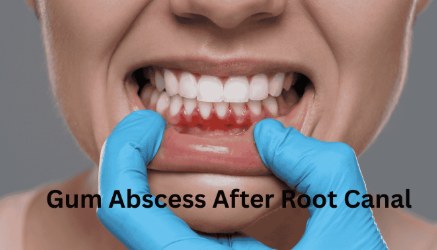
Root canals are supposed to fix things. So when pain shows up afterward, it’s alarming. You start wondering — did something go wrong?
Here’s the truth. A gum abscess after a root canal is more common than most people think. It doesn’t always mean the procedure failed. But it does mean you need to act fast.
This article covers what causes it, what symptoms to watch for, how it’s treated, and when to call your dentist right away.
What Is a Gum Abscess?
Simply put, it’s a pocket of pus. Bacteria cause an infection, and the body reacts by forming that pocket. It usually shows up near the treated tooth.
There are two main types. A periodontal abscess forms in the gum tissue itself. A periapical abscess forms at the root tip. After a root canal, either one can develop. Knowing the type helps your dentist choose the right treatment.
Why Does This Happen After a Root Canal?
Root canals work well most of the time. But sometimes, problems still come up.
Here are common reasons an abscess after root canal treatment develops:
- Bacteria weren’t fully removed during the procedure
- A tiny canal was missed inside the tooth
- The dental crown was delayed, leaving the tooth exposed
- A crack in the tooth let bacteria back in
- Existing gum disease wasn’t fully addressed beforehand
If you had a root canal in Cypress, TX and now feel pain or notice swelling — don’t wait. That’s your body telling you something needs attention.
Symptoms You Should Know About
Early Signs to Catch Quickly
Spotting symptoms early makes everything easier. Watch out for these:
- Swelling or puffiness near the treated tooth
- Throbbing pain that won’t quit
- A strange taste or bad smell in your mouth
- Pain when you bite down
These early signs are manageable. But they need professional care — not wishful thinking.
Serious Symptoms That Need Urgent Care
Some symptoms mean the infection is spreading. Don’t ignore these:
- A visible bump or pimple-like spot on your gum
- Fever or feeling generally sick
- Swollen glands in your neck or jaw
- Trouble opening your mouth or swallowing
Any of these? Call a Root Canal Dentist in Cypress, TX immediately. Don’t wait for a routine appointment.
How a Gum Abscess Gets Treated
What Your Dentist Will Do
Home remedies can ease discomfort temporarily. But only a dentist can actually fix the problem.
Here’s what professional treatment typically looks like:
- Draining the abscess — the dentist creates a small opening to release the pus
- Antibiotics — prescribed when the infection has spread beyond the gum
- Root canal re-treatment — done when the original procedure was incomplete
- Apicoectomy — minor surgery to remove infected tissue at the root tip
- Deep cleaning — if gum disease is part of the problem
- Tooth extraction — only as an absolute last resort
At Cypress Towne Dental, patients get a thorough evaluation first. Then a treatment plan built around their specific situation. No guesswork.
What Recovery Looks Like
Soreness after treatment is normal. Most people feel real relief within 24 to 48 hours. Full recovery usually takes one to two weeks. Your dentist will schedule a follow-up to make sure everything healed properly.
Home Care While You Wait
Can’t get to the dentist right away? These steps help manage discomfort in the meantime.
What you can do:
- Rinse with warm salt water two or three times a day
- Press a cold compress against your cheek to ease swelling
- Take ibuprofen or acetaminophen as directed on the label
- Brush gently around the area to keep it clean
What you should never do:
- Don’t try to pop or drain the abscess yourself
- Avoid very hot, cold, or hard foods that irritate the area
- Don’t assume antibiotics alone will solve it — they won’t
- Don’t ignore symptoms and hope they go away on their own
These tips aren’t a cure. They’re just a bridge until you get proper dental care.
When It’s a Dental Emergency
Some situations can’t wait. Go to an emergency dentist or urgent care if you have:
- A fever above 101°F
- Swelling spreading to your face, neck, or jaw
- Difficulty breathing or swallowing
- Pain that won’t respond to any medication
A spreading dental infection can become dangerous fast. Don’t downplay these signs.
What Happens If You Wait Too Long
Delaying care for a dental abscess after root canal treatment has real consequences. Here’s what’s at stake:
- Infection can spread to your jawbone or nearby teeth
- Your chance of losing the tooth increases over time
- Treatment becomes more complicated and expensive
- People with diabetes or weakened immune systems face even higher risks
Catching things early saves teeth. It also saves money and stress.
How to Prevent This From Happening
Prevention matters just as much as treatment. Here’s how to protect yourself:
Before and during treatment:
- Choose an experienced provider for Root Canal Treatment Cypress patients can trust
- Be upfront with your dentist about all symptoms before starting
After your root canal:
- Get your dental crown placed quickly — delays leave the tooth vulnerable
- Brush and floss around the treated tooth every day
- Show up to every follow-up appointment
- Report even minor symptoms early — don’t brush them off
- Keep up with regular professional cleanings in Cypress to maintain gum health
Small habits make a big difference in long-term outcomes.
Final Thoughts
A gum abscess after a root canal can be frustrating. You may feel like the tooth should already be fixed. But this problem can happen, and in many cases, the tooth may still be saved.
The most important thing is not to ignore it. A gum bump, bad taste, swelling, or pain when biting can all point to infection.
Early care can stop the problem from getting worse. Depending on your case, treatment may include drainage, root canal retreatment, apicoectomy, or extraction.
If you are in Cypress and notice signs of infection near a treated tooth, schedule a dental exam soon. Quick care can help protect your tooth, ease discomfort, and support better healing.
Related FAQs
Can abscess happen years after root canal?
Yes, an abscess can appear years later if bacteria enter through a crack, loose crown, new cavity, or untreated canal space. A dentist can examine the tooth and suggest the right treatment.
Will antibiotics alone remove gum abscess?
Antibiotics may help control infection in some cases, but they often do not remove the source. Dental treatment is usually needed to drain, clean, retreat, or remove the infected area.
Can tooth be saved after abscess?
Yes, many teeth can still be saved after an abscess. Treatment may include drainage, root canal retreatment, or apicoectomy. If the tooth is badly cracked or weak, removal may be needed.

Cytokine testing plays an important role in clinical research involving oncology, autoimmune diseases, infectious diseases, vaccine development, and biologic therapies. Researchers measure cytokine levels to evaluate immune responses, monitor inflammation, and assess treatment effectiveness during clinical studies. Because cytokines are present at very low concentrations, laboratories require validated methods that yield reliable, reproducible results. Regulatory agencies expect validated bioanalytical methods before accepting clinical study data for review. A validated Cytokine Assay helps laboratories maintain consistency and supports the interpretation of immune response data.
Regulatory Expectations for Cytokine Assay Validation
Clinical bioanalysis laboratories follow established regulatory guidance to validate cytokine testing methods before analyzing study samples. Organizations such as the U.S. Food and Drug Administration (FDA) and the International Council for Harmonisation (ICH) recommend that laboratories evaluate several performance characteristics during bioanalytical method validation, including:
- Accuracy
- Precision
- Sensitivity
- Selectivity
- Reproducibility
- Stability
These validation practices help confirm that assays perform consistently throughout clinical testing.
Laboratories operating under Good Laboratory Practice (GLP) standards also maintain:
- Documented workflows
- Qualified instrumentation
- Traceable records
- Standard operating procedures (SOPs)
- Predefined acceptance criteria
- Quality control processes
These controls help reduce analytical variability and improve confidence in reported cytokine data.
Validation Parameters for Cytokine Assays
Several parameters help laboratories determine whether a Cytokine Assay is suitable for clinical testing.
Accuracy And Precision
Accuracy measures how closely reported cytokine concentrations match expected or reference values. Precision evaluates the consistency of repeated measurements under similar testing conditions.
Laboratories typically assess:
- Intra-assay precision (within a single run)
- Inter-assay precision (between different runs)
- Analyst-to-analyst variability
- Instrument-to-instrument reproducibility
Strong accuracy and precision support reliable data generation during clinical studies.
Sensitivity And Quantification Range
Sensitivity refers to the lowest cytokine concentration that can be measured accurately and reproducibly within a validated range by determinining:
- Lower limit of quantification (LLOQ)
- Upper limit of quantification (ULOQ)
- Reportable analytical range
Reliable Cytokine Quantification depends on maintaining acceptable assay performance across clinically relevant concentration ranges.
Specificity And Selectivity
Specificity confirms that the assay detects the intended cytokine without interference from structurally similar molecules or endogenous biological substances. Selectivity studies evaluate potential interference caused by:
- Serum proteins
- Lipids
- Hemolysis
- Anticoagulants
- Other cytokines or biomarkers
This is important in multiplex assays, where multiple analytes are measured simultaneously.
Must Read: Liquid Chromatography-Mass Spectrometry Role in Drug Development Studies
Stability Testing
Laboratories evaluate cytokine stability under different handling and storage conditions before initiating clinical sample analysis. Some of the common stability assessments include:
- Freeze-thaw stability: Assesses analyte integrity after repeated freezing and thawing cycles.
- Bench-top stability: Evaluates cytokine degradation during laboratory handling.
- Long-term storage stability: Confirms analyte reliability during extended frozen storage periods.
- Validated storage conditions: Help reduce reporting errors associated with analyte instability.
These assessments help laboratories maintain sample integrity throughout testing workflows.
Dilution Linearity And Hook Effect Assessment
High analyte concentrations may occasionally suppress assay signals, leading to inaccurate results. Laboratories perform dilution linearity studies to confirm analyte recovery after sample dilution. Analysts evaluate dilution factors to identify potential nonlinearity and verify the accuracy of reporting across varying concentration levels.
Challenges In Clinical Cytokine Testing
Cytokine testing workflows can encounter several analytical and operational challenges that affect reproducibility and data interpretation:
- Biological variability: Patient-specific immune responses may alter cytokine expression patterns.
- Multiplex assay interference: Simultaneous detection of analytes may raise concerns about signal overlap.
- Reagent lot variability: Manufacturing differences may affect assay sensitivity and calibration.
- Sample handling inconsistencies: Delayed processing may contribute to cytokine degradation.
- Matrix-related interference: Endogenous substances may compromise assay reproducibility.
Addressing these challenges helps laboratories improve data reliability during clinical studies.
Platform Considerations For Cytokine Testing
Different technologies present validation requirements and operational characteristics. ELISA, Meso Scale Discovery (MSD), and Luminex platforms differ in sensitivity, throughput, multiplexing capability, and sample volume requirements. Laboratories select analytical platforms based on study objectives, target analytes, and expected concentration ranges.
Assay standardization remains important when laboratories use analytical technologies across clinical programs. Standardized calibration procedures, quality controls, and validated workflows help maintain consistent data reporting between studies and testing sites. Collaboration with an experienced Bioanalytics Company may support assay reproducibility and regulatory compliance during clinical studies.
Best Practices For Reliable Clinical Cytokine Data
Laboratories follow several practices to support assay performance during clinical studies.
- Standardized sample collection procedures: Help minimize pre-analytical variability.
- Qualified controls and standards: Support calibration accuracy and analytical consistency.
- Consistent storage conditions: Preserve cytokine integrity before analysis.
- Ongoing assay monitoring: Helps identify analytical variation during testing.
- Consistent analytical procedures: Support reliable interpretation of immune response data.
Following these practices helps laboratories maintain reproducibility during clinical investigations.
Conclusion
A properly validated cytokine assay helps laboratories generate reproducible and scientifically reliable cytokine data throughout clinical development programs. Regulatory agencies expect laboratories to demonstrate acceptable assay sensitivity, specificity, precision, stability, and reproducibility before generating reportable clinical data. As clinical research continues to expand in areas such as immunotherapy, biologics, and precision medicine, accurate cytokine quantification remains essential for supporting informed scientific and regulatory decisions.

Natural sanitary pads are becoming a popular choice for women who want safer and eco-friendly menstrual care. Unlike conventional pads, they are made with plant-based and chemical-free materials that are gentle on the skin. From organic cotton to biodegradable layers, every ingredient plays an important role in comfort and protection.
Understanding what goes into these pads can help you make healthier and more informed choices. Here’s a closer look at the natural ingredients commonly used in sanitary pads and why they matter.
Organic Cotton Layers in Natural Sanitary Pads
Organic cotton is one of the most common materials used in natural sanitary pads because it is soft, breathable, and gentle on sensitive skin. Unlike regular cotton, organic cotton is grown without harmful pesticides or synthetic chemicals, making it a safer choice for menstrual hygiene.
Many women prefer organic cotton pads because they reduce the chances of irritation, itching, and discomfort during periods. The smooth texture also provides better comfort for long hours of wear. In addition, organic cotton is biodegradable, which makes it an environmentally responsible option for people looking to reduce waste.
Why Bamboo Fiber Is Used in Eco-Friendly Pads
Bamboo fiber is becoming increasingly popular in natural sanitary pads due to its natural antibacterial and moisture-wicking properties. It helps keep the surface dry and comfortable throughout the day while reducing unpleasant odors. Bamboo is also a highly sustainable plant because it grows quickly without requiring excessive water or chemicals.
Pads made with bamboo fibers are known for their softness and durability, giving users a comfortable period care experience. Many eco-friendly brands use bamboo because it supports both personal health and environmental sustainability.
Plant-Based Materials Found in Natural Pads
Natural sanitary pads often contain plant-based ingredients instead of synthetic plastic materials. These can include corn starch, banana fiber, bamboo pulp, and wood pulp, all of which help improve absorbency and comfort. Plant-based materials are chosen because they are biodegradable and safer for daily use.
They also reduce exposure to harsh chemicals that may be present in conventional pads. Many consumers today are switching to products made from renewable resources to support healthier lifestyles and reduce environmental impact.
The Role of Biodegradable Back Sheets in Sanitary Pads
The back sheet of a sanitary pad is important because it prevents leakage and keeps clothing protected. In natural sanitary pads, biodegradable back sheets are used instead of petroleum-based plastics. These layers are often made from compostable materials that naturally break down over time.
This helps reduce landfill waste and supports sustainable living practices. Women who care about eco-friendly period products often choose biodegradable pads because they offer reliable protection without causing long-term environmental damage.
How Chlorine-Free Pads Support Safer Period Care
Many traditional sanitary pads are processed using chlorine bleaching, which can leave behind harmful chemical residues. Natural sanitary pads avoid this process by using chlorine-free materials that are safer for the body. Chlorine-free pads are considered a healthier option because they lower the risk of skin irritation and chemical exposure.
They also maintain the natural quality of the fibers used inside the pad. Choosing chlorine-free products can help support better intimate hygiene while providing comfort during menstruation.
Natural Absorbent Cores Used in Modern Sanitary Pads
The absorbent core is one of the most important parts of a sanitary pad because it locks in moisture and prevents leaks. In natural sanitary pads, absorbent cores are usually made from wood pulp, organic cotton, or plant cellulose. These natural materials are effective at absorbing menstrual flow while remaining breathable and lightweight.
Unlike synthetic gels used in some conventional products, natural absorbent cores are free from unnecessary chemicals. This makes them more suitable for women with sensitive skin or allergies.
Fragrance-Free Ingredients in Organic Menstrual Pads
Fragrance-free sanitary pads are preferred by many women because artificial scents can sometimes cause irritation and discomfort. Natural sanitary pads avoid synthetic perfumes and instead focus on clean, simple ingredients. Fragrance-free products help maintain the natural balance of sensitive skin and reduce the risk of allergic reactions.
They are especially beneficial for women with skin sensitivities or recurring irritation issues. By avoiding added fragrances, natural pads provide a safer and more comfortable menstrual care experience.
Eco-Conscious Materials Used in Sustainable Period Products
Sustainable period products are designed using eco-conscious materials that minimize environmental harm. These materials may include biodegradable fibers, recycled paper packaging, and compostable layers. Eco-conscious sanitary pads help reduce plastic pollution while promoting responsible consumption.
Many brands are now focusing on sustainability because consumers are becoming more aware of environmental issues. Choosing products made from sustainable materials supports a cleaner planet and encourages greener manufacturing practices.
Skin-Friendly Components Found in Chemical-Free Pads
Chemical-free sanitary pads are made with skin-friendly materials that help prevent rashes, itching, and irritation. These pads avoid harmful substances such as dyes, synthetic fragrances, and harsh chemicals. Instead, they use natural fibers that allow better airflow and improve comfort during periods.
Skin-friendly pads are particularly important for women with sensitive skin or allergies. Using gentle ingredients can make a significant difference in overall menstrual comfort and hygiene.
Renewable and Earth-Safe Ingredients in Natural Sanitary Pads
Natural sanitary pads are often made with renewable ingredients that can be replenished without harming the environment. Materials like bamboo, organic cotton, and plant cellulose are considered earth-safe because they naturally decompose after disposal. These renewable resources help reduce dependence on plastic-based materials and support sustainable living.
Consumers today are increasingly choosing products that align with eco-friendly values and healthier lifestyles. By selecting sanitary pads made from renewable ingredients, women can support both personal well-being and environmental protection.
conclusion
Natural sanitary pads are made with thoughtfully selected ingredients that support both personal comfort and environmental care. From organic cotton and bamboo fibers to biodegradable layers, these materials provide a safer and gentler menstrual care experience.
Choosing natural pads can help reduce exposure to harsh chemicals while also lowering environmental waste. Understanding the ingredients used in these pads allows consumers to make healthier, eco-friendly, and more informed choices for their everyday wellness.

Common Dental Problems and How to Prevent Them

Using a Mortgage Loan EMI Calculator to Estimate Your Monthly Payments

Open Demat Account Easily with Step-by-Step Online Guide

Reid Health Meta Pixel Class Action Lawsuit: Settlement, Patient Data, and Privacy Implications

www.healthsciencesforum.com: Your Complete Guide to Health Insights, Resources, and Community Support

MyZaxbysfeedback Survey – How to Claim Rewards and Enhance Your Zaxby’s Experience

-
 HEALTH4 months ago
Reid Health Meta Pixel Class Action Lawsuit: Settlement, Patient Data, and Privacy Implications
-
 HEALTH4 months ago
www.healthsciencesforum.com: Your Complete Guide to Health Insights, Resources, and Community Support
-
 HEALTH4 months ago
MyZaxbysfeedback Survey – How to Claim Rewards and Enhance Your Zaxby’s Experience
-
 HEALTH5 months ago
Ariel Gonzalez Platinum Health: A Comprehensive Guide to Transformative Wellness Solutions
-

 HEALTH4 months ago
OneShare Health Review 2026 – Plans, Costs, and Member Benefits
-

 HEALTH4 months ago
Betanden: Meaning, Origins, Modern Usage, and Everything You Need to Know
-

 HEALTH4 months ago
Water Flosser QXJ0: Ultimate Guide to Effortless and Effective Oral Care
-

 FINANCE4 months ago
Ultimate Guide to TechZone Electronics Financing: Flexible Options for Every Budget