
BUSINESS
Are All Moles Treatable with Cryotherapy, or Do Some Require Minor Surgery?

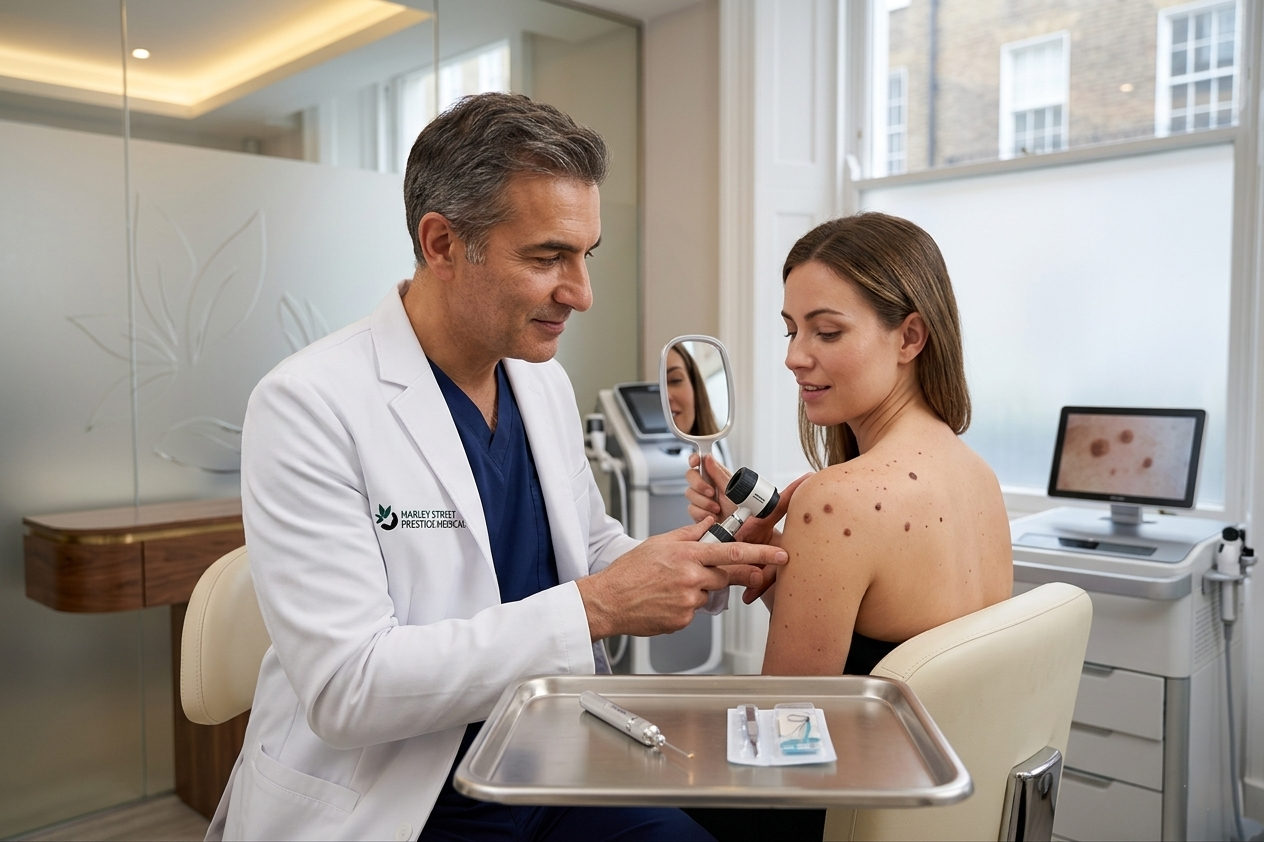
Walking through a busy local market, James noticed a small, raised spot on his shoulder that had started to catch on his clothing. It wasn’t painful, but the constant snagging was becoming a daily nuisance. Like many people, he hoped for a quick fix, perhaps a simple freezing treatment he had heard about for warts. However, upon seeking professional advice, he realized that the world of skin lesions is far more nuanced than a one-size-fits-all solution. Moles vary significantly in their depth, cellular makeup, and potential risks. What looks like a simple surface blemish to the untrained eye might actually have deep roots or require a laboratory analysis that freezing would destroy. Finding the right mole removal treatment in London starts with understanding that the method must match the specific biology of the growth to ensure both safety and a smooth cosmetic finish.
Correct identification is the bridge between a simple cosmetic change and a vital health check.
The Fundamental Differences Between Freezing and Cutting
Cryotherapy and minor surgical excision represent two very different approaches to tissue management. Cryotherapy uses extreme cold, usually liquid nitrogen, to destroy cells by freezing the water within them, causing the lesion to eventually scab and fall off. It is non-invasive and requires no stitches, making it a popular choice for superficial blemishes. In contrast, minor surgery involves a physical removal of the tissue, often including a small margin around the site. This is a more definitive action that addresses the entire structure of the growth, from the surface down into the deeper dermal layers. While surgery involves a longer recovery and potential stitching, it provides a level of certainty and a physical sample that freezing simply cannot offer.
Why Cryotherapy is Often Restricted to Benign Surface Lesions
While freezing is efficient, it is not suitable for every pigmented spot for several specific reasons:
- Lack of Diagnostic Sample: Freezing destroys the tissue cells, meaning they cannot be sent to a laboratory for testing to rule out malignancy.
- Incomplete Depth Penetration: Liquid nitrogen typically only reaches the upper layers of the skin, which may leave the “root” of a deep mole intact.
- Risk of Pigment Changes: Extreme cold can sometimes leave a white spot (hypopigmentation) or a dark patch, especially on olive or darker skin tones.
- High Recurrence Rates: Because the base of the growth may survive the freezing process, deep moles often grow back within months.
- Limited Precision: The spread of the cold can be difficult to control perfectly, potentially affecting the healthy surrounding skin.
Determining the Best Path for Your Skin Type
The decision between different removal methods depends on a clinical evaluation of the mole’s characteristics and your personal medical history.
Evaluating Pigmentation and Border Symmetry
A specialist will first look at how the pigment is distributed. Moles that are very dark, have multiple colors, or possess irregular borders are almost never treated with cryotherapy. These features require a full excision so that the entire structure can be examined under a microscope. Symmetry is a key indicator of a mole’s stability, and any deviation from a round or oval shape usually pushes the recommendation toward surgical intervention.
Assessing the Depth and Elevation
Raised moles that sit high above the skin surface can sometimes be “shaved” or frozen, but if the mole is flat and deeply pigmented, it suggests the cells go further down into the skin. In these cases, a surgical approach is the only way to ensure the entire lesion is removed. Freezing a deep mole is often like cutting the top off a weed without pulling the root; the problem is likely to return.
Considering the Location on the Body
The area where the mole is located also dictates the method. Areas with very thin skin, like the eyelids, or areas prone to heavy scarring, like the chest, require high precision. Surgery allows for fine control over the resulting scar line, whereas the “blister” effect of cryotherapy is less predictable in terms of how the final skin texture will appear.
Patient History and Risk Factors
Individuals with a family history of skin issues or those who have had many sun exposures are usually steered away from destructive methods like freezing. For these patients, every removed spot is an opportunity for a health check. A Harley street dermatology clinic in London will prioritize a biopsy-proven result over a quick cosmetic fix to ensure long-term peace of mind.
When Minor Surgery Becomes the Gold Standard
Minor surgery is preferred whenever there is a shadow of a doubt regarding the nature of the skin growth:
- Suspicious Clinical Features: Any mole showing changes in size, shape, or color must be surgically removed for histopathology.
- Large or Bulky Growths: Moles that are wider than a few millimeters often heal more neatly with a surgical closure than a large frozen wound.
- Cosmetic Consistency: For many, a fine surgical line is more desirable than the potentially mottled texture left by liquid nitrogen.
- One-Time Resolution: Surgery is typically a “one and done” procedure, whereas cryotherapy may require multiple sessions to fully clear a spot.
The Procedural Steps of a Minor Surgical Removal
Surgical removal is a straightforward clinical process performed under local anesthesia to ensure total comfort. After numbing the area, the doctor uses a scalpel to either shave the mole flat or excise it in an elliptical shape. This allows the edges of the skin to be brought together with fine sutures, resulting in a thin, neat line. The removed tissue is then placed in a preservative and sent to a pathologist. This provides a definitive report confirming that all cells were benign and that the margins are clear. This level of detail is why many choose a specialist mole removal treatment over more generic options.
Recovery and Aftercare for Each Method
Healing looks different depending on whether the tissue was frozen or physically removed:
- Cryotherapy Healing: A blister usually forms within hours, followed by a crust. It typically takes 7 to 14 days for the scab to fall off naturally.
- Surgical Healing: The site is kept covered for a few days. Stitches, if used, are typically removed after one to two weeks depending on the body part.
- Scar Management: Both methods require strict sun protection for several months to prevent the new skin from darkening.
- Activity Restrictions: Surgery might require a few days of avoiding heavy exercise to prevent tension on the stitches, while cryotherapy has fewer restrictions.
Common Misconceptions About Mole Freezing
There are several myths that lead people to request cryotherapy when it might not be the safest choice.
Freezing is “Better” Because it is Faster
While the actual application of nitrogen takes seconds, the healing process can be messy and unpredictable. Surgery takes longer in the chair but often results in a more predictable and cleaner healing timeline.
All Small Moles Can Be Frozen
Size is not the only factor. A very small, dark, flat mole can be more significant than a large, fleshy, skin-colored growth. The cellular activity is what matters most, not the diameter.
Cryotherapy Leaves No Scars
This is a common error. Cryotherapy can leave a permanent “white patch” because the cold kills the pigment-producing cells in that area. Surgery, while leaving a line, often preserves the surrounding skin color better.
Freezing is the Only Way to Avoid Stitches
Shave excisions are a surgical middle ground where the mole is removed with a blade but no stitches are required. This offers the benefit of a laboratory sample without the need for traditional sewing.
The Vital Importance of Histopathology
The primary reason a Harley street dermatology clinic might decline a request for freezing is the inability to test the tissue. Histopathology is the microscopic examination of the cells by a specialist. This is the only way to be 100% certain that a mole is harmless. In a world where skin health is a priority, destroying tissue without examining it is often considered an unnecessary risk. Surgery ensures that you aren’t just removing a bump, but also confirming your internal health.
A scar is a small price for the certainty that your skin is healthy and clear of risk.
Preparing for Your Consultation
Before your appointment, take a close look at your moles and note any that have changed or caused discomfort. Think about how long they have been there and if they have ever bled or itched. During the consultation, the doctor will likely use a dermatoscope—a specialized light and magnifier—to see structures beneath the skin surface. This tool helps them decide if cryotherapy is a safe option or if the precision of minor surgery is required. Being prepared to discuss your family history and sun habits will help the specialist provide the most accurate recommendation for your specific situation.
Making an Informed Choice for Your Skin
Ultimately, the goal of any skin procedure is to achieve a result that is both medically safe and aesthetically pleasing. While the idea of “freezing it off” sounds simple, the clinical reality is that the knife is often a kinder and more precise tool for the skin. By choosing a method that allows for cellular analysis, you are investing in your future health. Modern techniques have made minor surgery a very low-stress experience with excellent cosmetic outcomes, often surpassing the results of older freezing methods for complex or deep-seated moles.
Prioritizing diagnostic accuracy today prevents dermatological uncertainty tomorrow.
Comparing Mole Removal Methodologies
This table provides a quick look at how the two primary removal methods compare across key patient concerns.
| Feature | Cryotherapy (Freezing) | Minor Surgery (Excision) | Shave Removal (Surgical) |
| Best For | Warts, Skin Tags, Seborrheic Keratoses | Deep Moles, Suspicious Lesions | Raised Benign Moles |
| Biopsy Possible? | No (Tissue is destroyed) | Yes (Full sample) | Yes (Surface sample) |
| Pain Level | Brief stinging/cold | None (Local anesthetic) | None (Local anesthetic) |
| Recovery Time | 1-2 weeks (scabbing) | 1-2 weeks (stitches) | 1 week (grazed skin) |
| Average Cost | Lower | Moderate to Higher | Moderate |
| Scar Type | Possible white/dark patch | Fine linear line | Flat, slightly pale circle |
FAQs About Mole Removal and Treatment
Is it ever safe to freeze a mole at home?
No. Over-the-counter freezing kits are designed for warts, not moles. Using them on a mole can be dangerous as it prevents a proper medical diagnosis and can cause deep scarring.
Does insurance cover mole removal?
If a mole is being removed for medical reasons (suspicion of change or physical irritation), many private insurers will cover the cost of the consultation and surgery.
Can a mole grow back after surgery?
If a full excision is performed, it is very rare for a mole to return because the entire follicle and root are removed. Shave removals have a slightly higher but still low recurrence rate.
How do I know if my mole needs a biopsy?
Any mole that is new, changing in size, or has multiple colors should be biopsied. A specialist uses a dermatoscope to make this final determination.
Will I have a permanent scar after minor surgery?
Any time the skin is cut, a scar forms, but dermatological surgeons use techniques to ensure the scar is as thin and discreet as possible, often fading to a faint line over time.
To Round Things Off
While cryotherapy remains a useful tool for various skin tags and surface imperfections, it is rarely the ideal choice for true moles. The need for diagnostic certainty through a biopsy, the desire for a clean cosmetic result, and the requirement to remove the growth’s entire depth usually make minor surgery the superior option. By understanding the limitations of freezing, you can better appreciate why a specialist might recommend a surgical path. Whether you are looking for a mole removal treatment for comfort or for a health check, the priority should always be a thorough assessment. Clear skin is a combination of aesthetic care and medical vigilance. When you choose the right method for your specific skin type, you can move forward with confidence, knowing that your skin is both beautiful and healthy.
Expert intervention turns a moment of concern into a lifetime of skin safety.

Mutual funds are an essential investment vehicle for many investors aiming to grow their wealth and achieve long-term financial goals. Among the various types of mutual funds, close-ended mutual funds have gained attention for their unique structure and trading mechanism. In this article, we will explore how close-ended mutual funds are traded after the New Fund Offer (NFO) window closes, and how investors can effectively utilize these funds in their portfolios.
What is a Close-Ended Mutual Fund?
A close-ended mutual fund is a type of mutual fund that issues a fixed number of shares through an NFO. Once the NFO period is over, investors cannot buy shares directly from the fund. However, they can buy or sell shares in the open market after the NFO period. This structure sets close-ended funds apart from open-ended funds, where investors can continuously buy and redeem shares at the Net Asset Value (NAV).
The NFO Period: Initial Subscription Phase
Close-ended mutual funds typically launch their solicitation of investments through an NFO, which is a predetermined period during which investors can purchase shares directly from the fund at the initial price set by the fund manager. The NFO period usually lasts between 10 to 30 days, depending on the fund’s specific structure. For instance, you may find a close-ended mutual funds’ NFO facilitating investments in equities, bonds, or a balanced mix.
Trading After the NFO: What Investors Need to Know
Once the NFO window closes, the close-ended mutual fund enters the trading phase. Here’s how the trading of close-ended mutual funds functions:
- Launch on Stock Exchanges: After the NFO closes, shares of the close-ended mutual fund are listed on stock exchanges like the National Stock Exchange (NSE) or the Bombay Stock Exchange (BSE). This listing allows investors to buy and sell shares in the secondary market just like they would trade stocks.
- Price Determination: The trading price of a close-ended mutual fund in the open market is determined by supply and demand dynamics. This means that the price can fluctuate based on market sentiment, performance of the underlying assets, and overall market conditions. It may trade at a premium (above NAV) or a discount (below NAV) compared to its NAV, unlike open-ended funds that trade at the NAV price.
- Liquidity Considerations: While close-ended mutual funds provide a trading platform, liquidity can be an essential factor for investors. Not all close-ended mutual funds have high trading volumes, and investors may find it challenging to buy/sell shares without incurring significant price fluctuations. Therefore, it is crucial to consider the liquidity of the fund’s shares before investing.
- Investment Strategy: Investors must adopt appropriate strategies when dealing with close-ended mutual funds. For example, longer investment horizons can mitigate the risks associated with short-term price fluctuations, while short-term traders may want to time their entries and exits carefully in response to market trends.
- Tax Implications: Close-ended mutual funds may be subject to different taxation rules than traditional equity investments. For instance, if an investor holds the fund for over a year, it may qualify for long-term capital gains tax, which typically features a more favorable rate. Understanding these tax implications can significantly affect overall investment returns.
Utilizing Lumpsum Mutual Fund Calculators
Investing in close-ended mutual funds also requires thorough planning. A lumpsum mutual fund calculator, such as the one available on Bajaj Finance, can assist investors in determining how much they should invest to reach their financial goals. By entering specific variables such as expected rate of return, investment duration, and target amount, investors can create robust investment strategies and ascertain realistic expectations.
Why Choose Close-Ended Mutual Funds?
- Professional Management: Just like open-ended funds, close-ended funds are managed by finance professionals. Investors benefit from their expertise in portfolio management, including asset allocation and stock selection.
- Focused Investment Strategy: Close-ended funds often focus on a specific investment strategy, industry, or theme. These targeted approaches can allow for higher potential returns, tailored to the investor’s risk appetite.
- Limited Redemption Pressure: Since shares cannot be redeemed on demand, fund managers are not pressured to maintain liquidity. As a result, they can adopt a longer-term investment approach and pursue potentially higher-yield investments.
- Potential for Premium Pricing: Due to limited shares in circulation post-NFO, close-ended mutual funds may be less susceptible to fluctuations in market prices, leading to the opportunity for premium pricing.
Conclusion
In conclusion, close-ended mutual funds provide an exciting opportunity for investors looking to diversify their portfolios and benefit from professional management. While trading begins after the NFO window closes, understanding its operational dynamics—such as liquidity, pricing, and investment strategies—becomes essential for making informed investment decisions. Utilizing tools like a lumpsum mutual fund calculator can help investors project their returns and create successful financial plans. With the right approach and knowledge, close-ended mutual funds can serve as a valuable asset in safeguarding and growing wealth over the long term.
By thoroughly researching and considering investor goals, close-ended mutual funds can pave a path toward financial success and stability.

The longer people spend in the markets, the more they hear the same advice repeated.
“Be patient.”
At first, it sounds simple enough. Most people assume patience means waiting a little longer before entering a trade or resisting the urge to make impulsive decisions. In reality, patience is often one of the most difficult skills to develop.
For anyone asking what is forex trading, the answer usually starts with currencies, exchange rates, and market analysis. However, after spending enough time in the market, many traders discover that trading is just as much about managing themselves as it is about managing positions.
That is where patience enters the picture.
The market constantly creates opportunities to act, but successful traders often learn that not every opportunity deserves a response.
The Market Never Stops Moving
One reason patience is difficult is because the market is always doing something.
Prices rise.
Prices fall.
News is released.
Charts change by the minute.
This constant movement creates the feeling that action should always be taking place.
Many beginners believe that active traders must be placing trades throughout the day. They associate activity with progress and waiting with missed opportunities.
In reality, experienced traders often spend more time observing than acting.
For those learning what is forex trading, this can feel counterintuitive. The temptation is to participate whenever the market moves, even when conditions do not fully match a trading plan.
Waiting Feels Unproductive
In most areas of life, effort is rewarded.
Working longer hours often produces more results. Studying more generally improves knowledge. Practising a skill usually leads to improvement.
Trading behaves differently.
Sometimes the best decision is to do nothing.
This can be uncomfortable because waiting rarely feels productive. Traders may spend hours analysing markets only to conclude that no trade should be taken.
For many beginners, that outcome feels disappointing.
Successful traders often view it differently. They understand that avoiding poor trades can be just as valuable as finding good ones.
Emotions Create Pressure
Patience becomes even harder when emotions enter the picture.
After a losing trade, there is often a strong urge to recover losses quickly.
After a winning trade, confidence can create the desire to keep trading while momentum feels positive.
Both situations can encourage unnecessary activity.
This is one reason experienced traders place so much emphasis on discipline. They recognise that emotions frequently push traders toward action when patience would be the better choice.
Understanding what is forex trading eventually means understanding these emotional pressures as well.
The market itself may be challenging, but personal reactions often create the greatest difficulties.
Opportunities Never Feel Perfect
Another challenge is that markets rarely provide certainty.
Even strong setups contain risk.
Even carefully planned trades can fail.
Because of this uncertainty, traders often convince themselves that a mediocre opportunity is good enough.
The thinking usually sounds something like this:
“This setup is close enough.”
“Maybe it will work.”
“I do not want to miss the move.”
Patience requires resisting these thoughts and waiting for situations that genuinely align with a strategy.
That is often easier said than done.
Experience Changes the Perspective
One interesting thing happens as traders gain experience.
They begin seeing the cost of impatience more clearly.
They remember trades entered too early.
They remember opportunities forced out of boredom.
They remember situations where waiting would have produced a better outcome.
These experiences gradually reshape behaviour.
Instead of viewing patience as inactivity, traders start seeing it as a decision-making skill.
They realise that waiting is not the absence of action. It is often a deliberate choice made to protect capital and maintain discipline.
The Difference Between Trading and Watching
Many people initially think what is forex trading can be answered through charts, indicators, and market terminology.
While those things matter, the longer someone trades, the more they recognise the importance of mindset.
Patience is difficult because the market constantly invites traders to act. Every movement looks like an opportunity. Every price change creates temptation.
Yet some of the best trading decisions are the ones that never become trades at all.
That is why patience remains one of the hardest skills to master. It requires traders to trust their process, ignore unnecessary distractions, and accept that success often comes not from doing more, but from waiting for the right moment to act.

Mental health apps have come a long way from being simple mood trackers with a calming color palette. A few years ago, releasing an app that let users log their emotions felt sufficient. That bar has moved significantly. Users now come in with real clinical needs, and they leave quickly if the experience feels shallow or insecure.
If you’re planning to build in this space, the decisions you make at the feature level will determine whether your app becomes part of someone’s daily mental health routine or gets deleted after two sessions. Working with a reputable healthcare app development company early in the planning stage matters here, because getting foundational architecture right is far harder to fix after launch than it is to build correctly from the start.
Here are seven features worth building thoughtfully, not just checking off a list.
1. Personalized Onboarding That Doesn’t Feel Like a Survey
First impressions in health apps really matter. Someone opening this type of app is often already anxious, overwhelmed, or in a low moment. And a boring formal welcome form in your app will make them quit and shift into another app in seconds.
A better way is to make the onboarding process a friendly conversation.
- Ask them about their goals
- What they’re struggling with
- How much time do they have
With this, you can have the right information to show them content, tools, or activities right away.
Apps like Woebot do this with a chat interface, and it makes a big difference in how users feel about the app from the start. When the app seems to get what they’re going through, they’re more likely to keep using it. Mental health apps should focus on being supportive from the beginning.
The goal is to make users feel like the app understands them and that it can help. This way, they will be more engaged and likely to use the app.
2. Evidence-Based Content Frameworks (CBT, DBT, Mindfulness)
Many wellness apps are not doing the right job of helping people. They have features like journaling prompts and breathing timers, which are not enough for the people who already struggle with anxiety, depression, or issues that happened to them in the past. All they need is a plan that is based on therapy.
- Cognitive Behavioral Therapy exercises are helpful because they show people how their thoughts can be wrong.
- Dialectical Behavior Therapy tools are also very useful for managing emotions. For people who just want to reduce stress without needing a lot of therapy, mindfulness is a good approach.
The important thing is to put these plans into the app.
For example, a Cognitive Behavioral Therapy thought record should not just be a box where you type in your thoughts. It should take you through a series of steps, like what happened, how you felt, what you thought automatically, what evidence you have, and how you can change your thoughts. This should all be done in order to really help the user.
3. Mood and Symptom Tracking With Meaningful Pattern Recognition
Logging mood is table stakes. What separates average apps from genuinely useful ones is what happens with that data afterward.
Users should be able to see patterns across weeks and months.
- Did anxiety spike every Sunday evening?
- Did sleep quality correlate with mood scores?
- Is there a pattern around social events or work deadlines?
Surfacing those correlations, without being alarmist, gives users real insight into their mental health rhythms.
This is also where the broader connected health ecosystem becomes relevant. As explored in depth around IoT in healthcare, wearable data that can calculate heart rate variability, sleep stages, and activity levels can meaningfully enrich mental health tracking. When your app can pull in that context, the picture it shows users becomes far more complete than self-reported logs alone.
4. Crisis Intervention Pathways
This one is non-negotiable. Any app serving users with mental health needs will eventually have a user in crisis. There is no responsible way to build in this space without a clear, accessible path to help.
At minimum: a clearly visible crisis resource section with hotline numbers, text-based options for users who can’t make phone calls, and ideally a safety planning feature that guides users through identifying warning signs and coping strategies in advance.
Some apps now integrate with crisis text services directly. Others use passive detection, like a sudden drop in activity or unusually distressed language in journal entries, to surface check-ins. Both approaches signal that the product takes user safety seriously.
Regulatory bodies in the US, UK, and EU are increasingly scrutinizing this area. Building crisis pathways thoughtfully isn’t just ethical. It’s becoming a compliance requirement.
5. Therapist and Provider Integration
The most sophisticated mental health apps don’t position themselves as replacements for professional care. They act as bridges.
This means building infrastructure for secure messaging with therapists, progress sharing with clinical permission, and appointment scheduling or reminders. For apps operating in enterprise or insurance contexts, structured data exports that meet clinical standards become important.
There’s also a growing market for apps that serve as adjunct tools alongside formal therapy. A therapist assigning homework, tracking between-session mood, or reviewing a client’s CBT exercises before a session is a genuinely useful workflow. Building the provider-side interface is a significant development investment, but it opens the app to clinical partnerships that consumer-only products can’t access.
6. Habit and Routine Building Tools
Mental health improvement is about changing your behavior and sticking to it over time. One meditation session isn’t going to make a difference. If you do it every day for three weeks, that starts to make a difference.
Habit tracking and reminders should be designed carefully. The goal is not to make you feel guilty if you miss a day. It’s to make it easy to get back to your routine without feeling stressed.
Apps that punish you for missing a day with streaks or annoying notifications can actually make you more anxious. That’s the last thing people who are trying to improve their mental health need.
Putting It Together
If you are creating a mental health app that people actually rely on requires more than a good interface. The six elements above aren’t a complete product spec. They are the features where most apps either earn or lose long-term user trust.
Personalized onboarding and evidence-based content create an early sense of value. Mood tracking and crisis pathways address both insight and safety. Privacy architecture and provider integration signal that the product is built for serious use, not just wellness marketing. And habit tools ensure that the engagement can actually sustain behavior change over time.
The mental health app space is genuinely crowded. Differentiation comes from building with depth and honesty about what users actually need when they’re struggling. That starts at the feature level, long before marketing or growth work begins.

Understanding How a Close-Ended Mutual Fund is Traded After the NFO Window Closes

The Skill Traders Talk About Most but Struggle to Master

Understanding the Gold Rate Today in Bangalore: Insights for Metro and Tier 3 City Markets

OneShare Health Review 2026 – Plans, Costs, and Member Benefits

Reid Health Meta Pixel Class Action Lawsuit: Settlement, Patient Data, and Privacy Implications

www.healthsciencesforum.com: Your Complete Guide to Health Insights, Resources, and Community Support

-
 HEALTH5 months ago
OneShare Health Review 2026 – Plans, Costs, and Member Benefits
-
 HEALTH5 months ago
Reid Health Meta Pixel Class Action Lawsuit: Settlement, Patient Data, and Privacy Implications
-
 HEALTH5 months ago
www.healthsciencesforum.com: Your Complete Guide to Health Insights, Resources, and Community Support
-

 HEALTH4 months ago
MyZaxbysfeedback Survey – How to Claim Rewards and Enhance Your Zaxby’s Experience
-

 FASHION2 months ago
Shocking Truth About OEM Garment Manufacturer Quality
-

 HEALTH4 months ago
Betanden: Meaning, Origins, Modern Usage, and Everything You Need to Know
-
 HEALTH6 months ago
Ariel Gonzalez Platinum Health: A Comprehensive Guide to Transformative Wellness Solutions
-

 FINANCE5 months ago
Ultimate Guide to TechZone Electronics Financing: Flexible Options for Every Budget