HEALTH
Mental Health vs. Emotional Health: Understanding the Key Differences

Have you ever wondered why some days you feel mentally exhausted but emotionally stable, or vice versa? Understanding the distinction between mental health and emotional health isn’t just academic—it’s essential for living a balanced, fulfilling life.
While these terms are often used interchangeably, they represent different aspects of our psychological well-being. Let’s dive deep into what sets them apart and why recognizing these differences matters for your overall wellness.
What Is Mental Health?
Mental health encompasses your overall psychological well-being, including how you think, process information, and make decisions. It’s the broader umbrella that covers cognitive function, behavioral patterns, and your ability to navigate daily challenges.
According to the World Health Organization, mental health involves emotional, psychological, and social well-being. It affects how we handle stress, relate to others, and make choices throughout our lives.
Your mental health determines how effectively you solve problems, concentrate on tasks, and maintain relationships. When someone experiences mental health challenges like depression, anxiety disorders, or bipolar disorder, their cognitive processes and daily functioning become significantly impaired.
Think of mental health as your brain’s operating system—it manages everything from memory and reasoning to perception and judgment.
Understanding Emotional Health

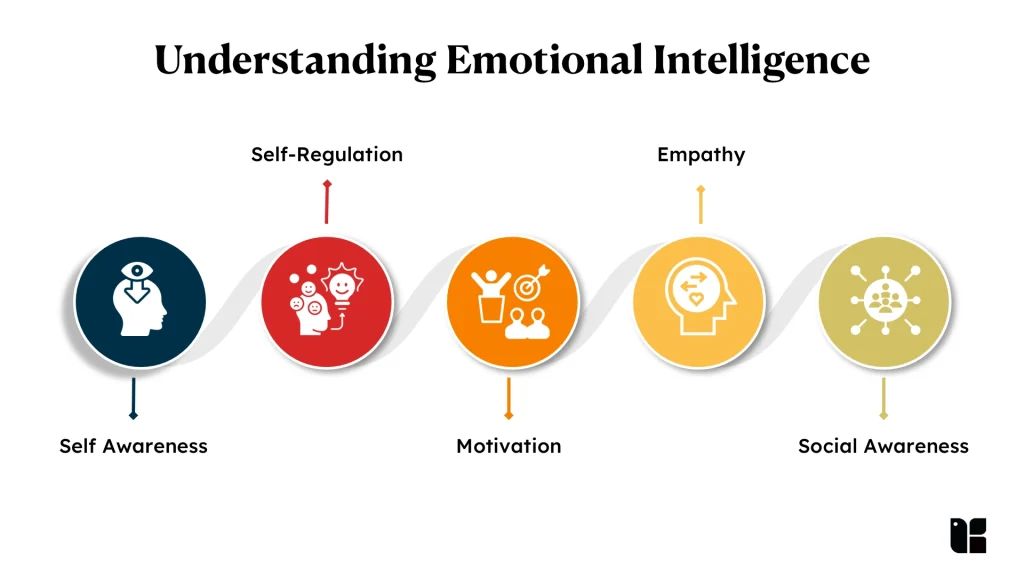
Emotional health, on the other hand, focuses specifically on your ability to recognize, express, and manage feelings appropriately. It’s about emotional awareness and regulation rather than cognitive function.
People with strong emotional health can identify what they’re feeling, understand why those emotions arise, and respond constructively. They bounce back from setbacks, adapt to change, and maintain positive relationships even during difficult times.
Emotional wellness doesn’t mean being happy all the time. Instead, it’s about experiencing the full range of human emotions—joy, sadness, anger, fear—and handling them in healthy ways without becoming overwhelmed.
Research from the American Psychological Association shows that emotional health directly impacts physical health, affecting everything from immune function to cardiovascular health.
Key Differences Between Mental and Emotional Health
Scope and Focus
Mental health is comprehensive, covering thought processes, behaviors, and psychological disorders. It includes conditions diagnosed by mental health professionals using clinical criteria.
Emotional health is narrower, concentrating on feelings and emotional responses. You might have excellent emotional health while struggling with a mental health condition like ADHD, which primarily affects attention and executive function.
Duration and Stability
Mental health conditions often require long-term management and professional treatment. Disorders like schizophrenia or obsessive-compulsive disorder typically persist without intervention.
Emotional health fluctuates more frequently based on circumstances. Your emotional state might shift throughout the day based on interactions, news, or personal experiences, while your underlying mental health remains stable.
Treatment Approaches
Mental health challenges frequently require medication, therapy, or both. Psychiatrists may prescribe antidepressants or mood stabilizers to address chemical imbalances.
Emotional health improvement often involves stress management techniques, mindfulness practices, and building coping skills. While therapy helps, medication isn’t always necessary.
Impact on Daily Life
Poor mental health might prevent you from functioning—going to work, maintaining hygiene, or leaving your home. The impairment is usually more severe and pervasive.
Compromised emotional health might make you irritable or stressed, but you can often continue daily activities. You might snap at colleagues or feel overwhelmed, yet still complete your responsibilities.
READ MORE: Nashville Behavioral Health Conference June 2025
How They Interconnect
Despite their differences, mental and emotional health are deeply interconnected. Chronic emotional distress can eventually trigger mental health disorders. Ongoing stress and unprocessed emotions may lead to anxiety or depressive disorders over time.
Conversely, mental health conditions significantly affect emotional regulation. Someone with major depression might struggle to experience positive emotions or feel emotionally numb.
The relationship works both ways—improving emotional health can support mental wellness, while treating mental health conditions often enhances emotional stability.
Signs of Good Mental Health

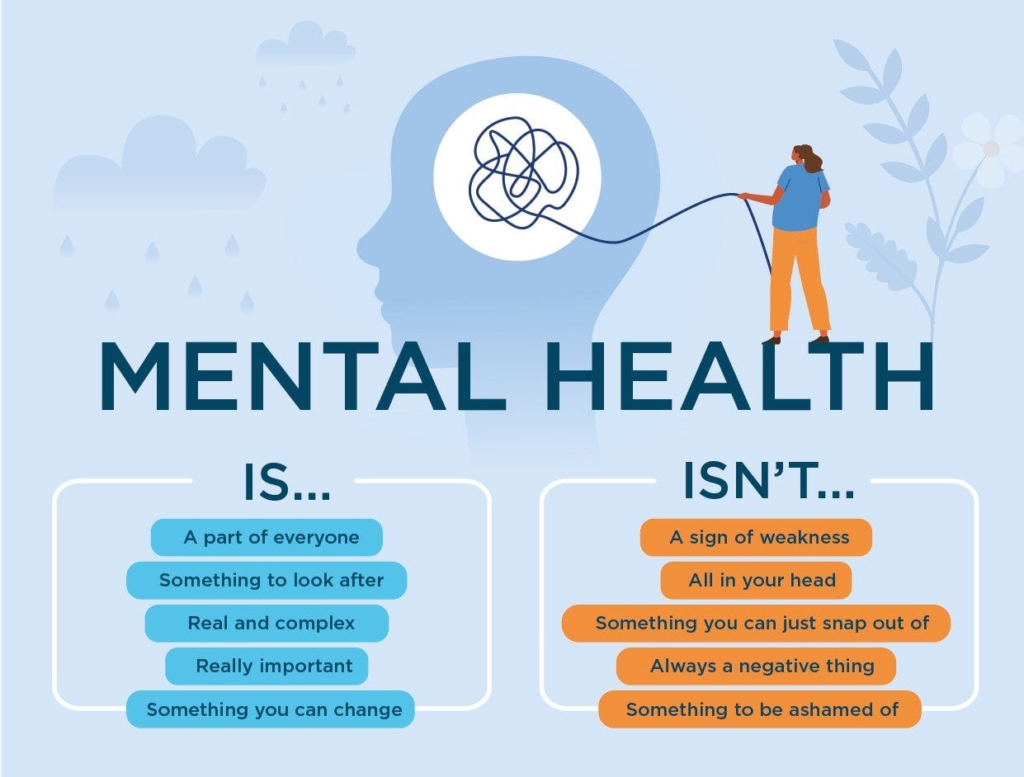
Recognizing healthy mental functioning helps you maintain it. Key indicators include:
Clear thinking and sound decision-making abilities form the foundation. You can analyze situations logically, weigh options, and choose wisely.
Consistent productivity and ability to meet responsibilities show functional cognitive processes. You complete tasks efficiently and manage time effectively.
Healthy sleep patterns, appropriate appetite, and energy levels indicate balanced brain chemistry. These biological markers reflect underlying mental wellness.
Realistic self-perception and balanced worldview demonstrate sound mental health. You see yourself and situations accurately without excessive negativity or unrealistic optimism.
Characteristics of Strong Emotional Health
Emotional wellness manifests differently. Watch for these positive signs:
Self-awareness stands out—you recognize your emotions as they arise and understand their triggers. This awareness prevents emotional reactions from controlling you.
Emotional expression comes naturally and appropriately. You share feelings constructively rather than suppressing them or exploding inappropriately.
Resilience shows up consistently. When setbacks occur, you process disappointment and adapt without lingering bitterness or excessive rumination.
Empathy and connection flourish. You understand others’ feelings, maintain meaningful relationships, and navigate social situations with emotional intelligence.
Building Better Mental Health
Strengthening your mental wellness requires intentional strategies:
Professional support provides crucial assistance. Therapists offer evidence-based treatments like cognitive behavioral therapy that restructure problematic thought patterns.
Regular physical activity boosts brain health substantially. Exercise increases neurotransmitters like serotonin and dopamine, improving mood and cognitive function.
Quality sleep is non-negotiable. Your brain processes information and consolidates memories during sleep, making it essential for mental clarity.
Social connections protect against mental health decline. Meaningful relationships provide support, purpose, and belonging that safeguard psychological well-being.
Continuous learning keeps your mind sharp. Challenging your brain with new skills or knowledge builds cognitive reserve and mental flexibility.
Enhancing Emotional Health
Developing emotional wellness takes different approaches:
Mindfulness meditation trains emotional awareness. Regular practice helps you observe feelings without judgment and respond thoughtfully rather than reactively.
Journaling facilitates emotional processing. Writing about experiences helps you identify patterns, release pent-up feelings, and gain perspective.
Healthy boundaries protect emotional energy. Learning to say no and limiting exposure to toxic relationships prevents emotional depletion.
Creative expression offers emotional outlets. Art, music, or movement provides non-verbal ways to process and release complex feelings.
Gratitude practices shift emotional focus. Regularly acknowledging positive aspects of life builds emotional resilience and optimism.
When to Seek Professional Help
Recognizing when self-help isn’t enough is crucial for both areas:
For mental health, seek help when symptoms persist beyond two weeks, interfere with daily functioning, or include thoughts of self-harm. Professional diagnosis and treatment become essential.
For emotional health, consider counseling when you’re constantly overwhelmed, relationships suffer repeatedly, or coping mechanisms become unhealthy like substance use or self-isolation.
Don’t wait until crisis hits. Early intervention prevents conditions from worsening and promotes faster recovery.
The Bottom Line
Mental health and emotional health, while distinct, work together to determine your overall psychological wellness. Mental health governs thinking and cognitive processes, while emotional health manages feelings and emotional responses.
Both deserve attention and care. You can’t truly thrive by addressing only one while neglecting the other. Integrated approaches that support both aspects simultaneously yield the best outcomes.
Read Also: biologyterminology