
FINANCE
How Does Capital Budgeting Help Evaluate Manufacturing Business Ideas?

The manufacturing industry is a cornerstone of global economies, driving innovation, employment, and production. However, it is also notoriously capital-intensive, demanding significant investments in machinery, infrastructure, and technology. Businesses in this sector must carefully evaluate their expenditures to remain competitive and profitable. This is where capital budgeting comes into play—a critical financial tool that helps manufacturing companies assess the viability of business ideas before committing substantial resources. This article explores how capital budgeting helps evaluate manufacturing business ideas and ensures better decision-making for long-term success.
What Is Capital Budgeting?
Capital budgeting is the process of planning, analyzing, and deciding on long-term investments aimed at generating the best possible returns for businesses. This method revolves around determining whether a particular investment or project is worth the allocation of capital. Typically, capital expenditures include purchasing new machinery, building facilities, upgrading technology, and securing patents—especially relevant in the manufacturing sector.
Key Capital Budgeting Techniques
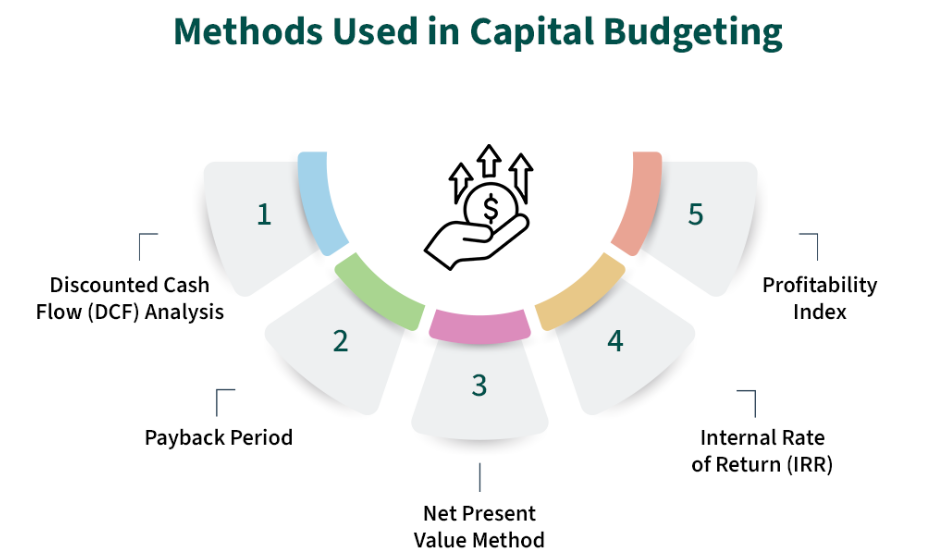
The ultimate goal of capital budgeting is to use limited resources effectively by identifying projects that promise favorable financial outcomes and align with the company’s strategic objectives. The process uses several financial techniques, including:
Net Present Value (NPV)
- Net Present Value (NPV): Calculates the present value of future cash flows from a project, minus the initial investment cost.
Internal Rate of Return (IRR)
- Internal Rate of Return (IRR): Estimates the profitability of potential investments by determining the discount rate at which the net cash flows equal the initial investment.
Payback Period
- Payback Period: Assesses how long it will take for a project to recoup its initial costs.
Profitability Index
- Profitability Index: Measures the ratio between the present value of future cash flows and the initial investment.
Discounted Cash Flow (DCF)
- Discounted Cash Flow (DCF): Evaluates future cash flows by projecting them to their present value.
By relying on quantitative analysis, capital budgeting eliminates guesswork and ensures that manufacturing companies make informed decisions about which business ideas to pursue.
Role of Capital Budgeting in Evaluating Manufacturing Business Ideas
Manufacturing companies often face several challenges when exploring new opportunities, whether launching a new product line, expanding factories, or introducing automated systems. Capital budgeting enables these businesses to methodically assess the viability of various manufacturing business ideas.
Below are several ways capital budgeting benefits the evaluation process:
1. Strategic Alignment
One of the key functions of capital budgeting is to ensure that investments align with the company’s long-term goals and vision. Manufacturing businesses often operate in highly competitive markets, where their strategic focus might vary—from cost leadership to product differentiation.
For example, adopting automation technology might be a strategic decision for a manufacturing firm focused on efficiency. Through capital budgeting, the company can analyze whether such a decision will deliver adequate return on investment (ROI) while remaining consistent with its broader goals, such as reducing production costs or increasing capacity.
By providing measurable data, capital budgeting avoids random decision-making, ensuring that investments driven by boardroom discussions align with measurable success criteria.
2. Financial Viability of Manufacturing Business Ideas
Before plunging millions into capital-intensive projects like new manufacturing lines or state-of-the-art equipment, businesses must ensure the financial viability of their ideas. Manufacturing typically relies on large-scale production, which requires substantial upfront costs. Mistakes in this phase could lead to financial losses that are virtually irrecoverable.
Capital budgeting allows companies to assess financial feasibility, weighing factors such as:
Key Financial Considerations
- Initial Investment Costs: These include purchasing equipment, infrastructure setup, training staff, and other preparation costs.
- Operating Costs: Manufacturing businesses should consider how much additional expense arises from operating the new systems or processes.
- Revenue Projections: It is essential to forecast the revenue that the business idea could generate to determine whether it outweighs the investment.
Using financial techniques such as NPV or IRR, companies can determine whether the cost of the project justifies the returns, thereby mitigating the risk of making poor investment choices.
3. Risk Assessment
The manufacturing industry is fraught with risks, including market fluctuations, unpredictable supply chain disruptions, and regulatory changes. Moreover, investments in capital projects often involve long-term financial commitments, which can make businesses vulnerable if unforeseen circumstances occur.
Capital budgeting plays a vital role in helping manufacturing businesses evaluate the risks associated with their ideas. By analyzing potential cash flows, external market conditions, and project timelines, capital budgeting highlights weaknesses or potential issues in a plan. For example:
Risk Factors Evaluated
- If a manufacturing business idea depends on volatile raw material prices, capital budgeting can help forecast how fluctuations could affect profitability.
- If the proposed project seems overly dependent on untested technology, this approach can scrutinize its reliability by factoring potential risks into financial analysis.
This systematic evaluation ensures that business leaders are fully aware of potential risks before proceeding, and they can even design contingency plans as part of the project approach.
4. Resource Allocation
Efficient management of resources is critical for manufacturing businesses, where capital often competes against competing projects. For instance, a company might be considering implementing a new machinery line while simultaneously evaluating expanding its manufacturing facility. However, it often has a limited budget to allocate.
Capital budgeting serves as a resource allocation tool, enabling decision-makers to prioritize investments more effectively. By comparing and contrasting different initiatives through the application of financial metrics, companies can decide which manufacturing business ideas deserve investment based on their potential profitability, strategic significance, and risks.
This level of financial scrutiny prevents resource mismanagement and ensures that every dollar spent contributes positively to the company’s success.
5. Long-Term Financial Planning
Capital investments typically have long-term ramifications, spanning multiple years—or even decades. As such, manufacturing companies must adopt a forward-looking perspective when evaluating business ideas.
Capital budgeting facilitates long-term financial planning because it considers the full project lifespan, not just immediate impacts. It factors in how investments will play out over the years, examining cash inflows, depreciation, maintenance costs, and probable return rates. For example, companies investing in eco-friendly packaging machinery can use capital budgeting to determine whether the lifetime savings from reduced packaging material outweigh initial investment costs.
This foresight helps businesses avoid being blindsided by future challenges and ensures consistent financial stability.
6. Enhancing Competitive Advantage
Capital budgeting supports manufacturing businesses in achieving competitive advantage by enabling them to explore innovative ideas without risking financial health. Manufacturing industries are constantly innovating, with developments such as Industry 4.0, automation, and lean manufacturing reshaping operations and supply chains.
Manufacturing firms can use capital budgeting to assess whether adopting advanced technologies, such as Artificial Intelligence (AI)-enabled equipment, would enhance their operations and improve market competitiveness. If the analysis reveals that such investments yield better quality products and faster delivery times, this can differentiate them from competitors and strengthen their market position.
Ultimately, strategic investments guided by capital budgeting propel businesses into leadership roles within their industries.
7. Mitigating Bias in Decision-Making
Decision-making in the manufacturing sector can be subject to biases, especially when high-ranking executives or influential stakeholders push for personal preferences rather than relying on objective analysis. This can lead businesses to pursue projects that lack the financial portfolio to succeed.
Capital budgeting removes emotional factors and subjective opinions from investment decisions. By focusing strictly on data, projections, and financial metrics, businesses reduce the likelihood of investing in poorly conceived manufacturing business ideas. For example, capital budgeting could reveal that manufacturing a particular product would result in negligible profits—despite its seeming appeal to executives.
This unbiased approach ensures rational decision-making and helps manufacturing firms avoid costly mistakes driven by internal pressures or groupthink.
8. Sustainability and Environmental Considerations
In recent years, sustainability has become a major focus for manufacturing businesses due to growing environmental regulations and consumer expectations. Adopting environmentally friendly practices or investing in clean energy solutions can be both beneficial and challenging.
Capital budgeting allows manufacturing firms to integrate environmental costs and benefits into their financial evaluations. For instance, investing in energy-efficient machinery might involve high initial costs; however, capital budgeting can project long-term savings from reduced energy consumption, lowered utility bills, and incentives for green practices.
This holistic approach enables businesses to strike the right balance between profitability and environmental responsibility, aligning with modern trends in corporate governance and sustainability.
Key Techniques of Capital Budgeting in Manufacturing
When manufacturing companies evaluate business ideas through capital budgeting, several financial techniques become invaluable. Here is an overview of the most commonly used methods:
Net Present Value (NPV)
Net Present Value assesses profitability by calculating the difference between the present value of cash inflows and the initial costs. In manufacturing, NPV helps businesses determine whether investments in assets like machinery or facilities will yield sufficient future returns.
A positive NPV indicates that the project will generate more income than it costs, making it a worthwhile endeavor. Conversely, a negative NPV suggests the idea is financially unviable.
Internal Rate of Return (IRR)
IRR calculates the discount rate at which the project breaks even. Manufacturing businesses often use IRR to gauge if an investment meets their minimum required return.
Higher IRR values typically indicate better potential returns, helping companies choose the manufacturing business idea with the most attractive rate.
Payback Period
The payback period evaluates how long it takes for the investment to be recouped. This method is particularly relevant for manufacturing firms interested in short-term returns, as it identifies projects with quicker ROI periods.
For example, if the business is looking to recover its investment within 5 years, payback period calculations can rule out ideas with extended timelines.
Discounted Cash Flow (DCF)
The DCF method calculates the present value of future cash flows by applying a discount rate. Manufacturing businesses often rely on DCF to project long-term profitability of investments.
Profitability Index
The profitability index compares the ratio of benefits to costs. Manufacturing companies use this tool to rank competing business ideas, especially under constrained budgets.
Conclusion
Capital budgeting is an indispensable tool for manufacturers seeking to evaluate and pursue new manufacturing business ideas effectively. By enabling strategic alignment, mitigating risks, and fostering financial viability, capital budgeting ensures businesses make informed decisions that yield long-term benefits.
Its systematic approach to resource allocation, sustainability planning, and competitive strategy provides manufacturing firms with the ability to adapt to evolving market demands and industry trends. As the manufacturing sector continues to innovate with technologies like automation and AI, capital budgeting remains integral in balancing risk and return for sustainable growth.
For manufacturing businesses aspiring to lead in their respective niches, capital budgeting is not just a financial process—it is a strategic framework for making better decisions, fostering resilience, and scaling successfully in the competitive landscape.

The End of Season Sale on Flipkart is one of the most awaited online shopping events for customers looking to buy electronics, home appliances, fashion products, and gadgets at discounted prices. From premium smartphones and laptops to Smart TVs and kitchen appliances, shoppers can explore exciting deals across multiple categories.
For customers planning to purchase high-value products without paying the entire amount upfront, the Bajaj Finserv Insta EMI Card offers a convenient way to convert purchases into affordable monthly installments. This helps buyers manage their finances better while enjoying access to premium products during the sale.
Why Shoppers Prefer the Flipkart End of Season Sale
The Flipkart End of Season Sale attracts millions of online buyers because of its wide range of product discounts, exchange offers, and flexible EMI payment options. Customers often wait for this sale to upgrade their smartphones, buy new appliances, or purchase gadgets for personal and professional use.
Popular product categories during the sale include:
- Smartphones
- Smart TVs
- Laptops and tablets
- Refrigerators and washing machines
- Home appliances
- Fashion and accessories
- Furniture and décor items
With attractive pricing and easy EMI options, shoppers can purchase products without putting excessive pressure on their monthly budgets.
Benefits of Using an Insta EMI Card
Using an Insta EMI Card during the Flipkart End of Season Sale can make shopping more convenient and budget-friendly. Here are some major benefits:
| Feature | Benefit |
| Easy EMI Payments | Convert large purchases into smaller monthly instalments |
| Flexible Repayment Tenure | Choose repayment duration based on your budget |
| Instant Shopping Access | Buy products immediately without full upfront payment |
| Reduced Financial Burden | Manage expenses efficiently while purchasing premium products |
| Quick Approval Process | Minimal paperwork and faster access to EMI facility |
| Wide Product Availability | Use EMI options across multiple product categories |
| Better Budget Planning | Purchase essential gadgets and appliances without disturbing savings |
Best Products to Buy During the Sale
The Flipkart End of Season Sale is considered an ideal time to buy electronics and appliances because several brands introduce attractive discounts and special deals.
Smartphones
Smartphones remain one of the most purchased product categories during the sale. Buyers can explore models across different price segments while using EMI options for affordability.
Smart TVs
Customers planning to upgrade their entertainment setup can find discounts on various Smart TV models from leading brands.
Laptops
Students, gamers, and working professionals can take advantage of seasonal discounts on laptops suitable for study, office work, and content creation.
Home Appliances
Large appliances like refrigerators, air conditioners, and washing machines become more affordable during the sale period with easy EMI payment options.
Tips to Save More During the Sale
Shoppers can maximise their savings during the Flipkart End of Season Sale by following a few smart strategies.
Compare Product Prices
Checking product features, ratings, and pricing before purchasing helps buyers make better decisions.
Select Suitable EMI Tenure
Choosing the right EMI duration ensures comfortable monthly payments according to individual budgets.
Look for Exchange Offers
Exchanging old devices can reduce the total purchase amount significantly.
Shop Early
Popular products and best-selling gadgets often sell out quickly during large online sales.
Check Product Reviews
Reading customer reviews helps buyers understand product performance before making a purchase.
Growing Popularity of EMI Shopping in India
EMI shopping has become increasingly popular among Indian consumers because it offers financial flexibility while purchasing expensive products. Instead of delaying purchases, customers can buy products instantly and repay the amount in smaller installments over time.
Online shopping platforms and EMI payment solutions have made premium products accessible to a wider audience, especially for customers looking to manage their monthly expenses more efficiently.
Final Thoughts
The Flipkart End of Season Sale offers excellent opportunities for shoppers to buy electronics, appliances, and lifestyle products at attractive prices. When combined with the Insta EMI Card, customers can enjoy flexible repayment options and convenient shopping experiences.
Whether you are planning to purchase a smartphone, Smart TV, laptop, or home appliance, EMI-based shopping helps make premium products more affordable and accessible. With proper planning and smart shopping strategies, buyers can take full advantage of seasonal sale offers while maintaining financial balance.

India’s metals and mining sector has always attracted investors looking for long-term growth opportunities, especially when commodity prices start rising globally. Among the major government-owned companies in this sector, Hindustan Copper Ltd holds a special position because it is India’s only vertically integrated copper-producing company. From mining copper ore to refining and manufacturing copper products, the company plays a significant role in supporting industrial growth across the country.
The Hindustan Copper Ltd share price often attracts attention whenever global copper prices rise or infrastructure spending increases in India. Since copper is widely used in industries such as construction, electric vehicles, electronics, renewable energy, and power generation, the company’s performance becomes closely linked to economic growth trends.
For investors interested in metal stocks, understanding Hindustan Copper Ltd share price movement can help in evaluating opportunities within the mining and commodity sector.
Overview of Hindustan Copper Ltd
India’s Largest Integrated Copper Producer
Hindustan Copper Ltd was established in 1967 and operates under the Ministry of Mines, Government of India. The company manages multiple stages of copper production including mining, beneficiation, smelting, refining, and casting operations.
The company owns mining facilities and processing plants across several Indian states. Its strong government backing and strategic importance make it one of the key players in India’s mining ecosystem.
Importance of Copper in Modern Industries
Copper remains one of the most essential industrial metals in the global economy. It is used extensively in:
- Electrical wiring
- Electric vehicles
- Renewable energy systems
- Telecommunications
- Construction projects
- Consumer electronics
As industries continue shifting toward electrification and clean energy solutions, copper demand is expected to rise steadily in the coming years.
Hindustan Copper Ltd Share Price Trends
Historical Share Price Movement
The Hindustan Copper Ltd share price has experienced several cycles over the years, mostly influenced by global commodity trends and domestic economic developments.
Performance During Economic Slowdowns
During the pandemic period between 2019 and 2020, the stock witnessed pressure due to reduced industrial activity, lower copper demand, and disruptions in global supply chains. Commodity stocks across the world faced volatility during this phase.
Recovery After Pandemic
As economic activity gradually recovered, demand for industrial metals improved significantly. Infrastructure spending increased, renewable energy investments expanded, and manufacturing activity gained momentum. This recovery supported copper prices globally and positively impacted Hindustan Copper Ltd share price.
Recent Share Price Performance
In recent years, Hindustan Copper Ltd has continued attracting investor interest due to:
- Rising copper demand
- Infrastructure development projects
- Growth in electric vehicle manufacturing
- Increased focus on renewable energy
The stock has shown strong momentum whenever commodity markets remain bullish and copper prices move upward internationally.
Factors Affecting Hindustan Copper Ltd Share Price
Global Copper Prices
Copper prices remain one of the biggest factors influencing Hindustan Copper Ltd share price. Since the company’s revenue depends heavily on copper production and sales, any increase in global copper prices directly supports profitability.
When international demand for copper rises due to industrial expansion or renewable energy growth, mining companies like Hindustan Copper generally benefit.
Infrastructure Growth in India
The Indian government continues investing heavily in roads, railways, housing, energy projects, and urban development. All these sectors require large amounts of copper for electrical systems and industrial applications.
As infrastructure spending increases, demand for copper also rises, creating positive growth opportunities for Hindustan Copper Ltd.
Renewable Energy and Electric Vehicles
The global shift toward green energy is another major growth driver for copper companies. Solar power systems, electric vehicles, charging infrastructure, and battery technologies require substantial copper usage.
This long-term transition toward clean energy could support stronger demand for copper producers over the next decade.
Government Policies and Support
Being a state-owned enterprise, Hindustan Copper Ltd often benefits from government initiatives supporting domestic mining and self-reliance in natural resources.
Policies related to:
- Mining reforms
- Domestic metal production
- Import reduction
- Infrastructure modernization
can positively influence the company’s future growth prospects.
Market Sentiment and Institutional Investment
Foreign Institutional Investors and Domestic Institutional Investors closely monitor commodity and PSU stocks. Positive sentiment toward metal companies or public sector undertakings can increase buying activity in the stock.
Hindustan Copper Ltd and Commodity Investment Opportunities
Why Investors Track Metal Stocks
Commodity-based companies often perform well during periods of:
- Rising inflation
- Infrastructure expansion
- Industrial recovery
- Global economic growth
Investors looking for sector diversification frequently include metal stocks in their portfolios because commodity cycles can create strong return opportunities.
Dividend and Long-Term Potential
Hindustan Copper Ltd also appeals to long-term investors who prefer government-backed businesses with exposure to essential industrial commodities. While mining stocks may experience short-term volatility, they often benefit during long commodity upcycles.
Stocks Under 1 Rs and Investor Curiosity
Why Penny Stocks Attract Attention
Many retail investors search for stocks under 1 Rs because of the possibility of generating large percentage returns from small investments. These penny stocks usually attract speculative traders looking for high-risk opportunities.
Hindustan Copper Compared to Penny Stocks
Although Hindustan Copper Ltd is not a penny stock, it often appeals to investors who want exposure to potentially undervalued government companies without taking extreme risks associated with ultra-low-priced stocks.
Compared to speculative penny stocks, Hindustan Copper offers:
- Established operations
- Government ownership
- Real industrial demand
- Strong sector relevance
This makes it comparatively more stable for medium- to long-term investing.
Future Outlook for Hindustan Copper Ltd
Rising Global Copper Demand
Copper demand is expected to grow steadily due to:
- Electric vehicle adoption
- Renewable energy expansion
- Urban infrastructure development
- Industrial modernization
This trend could support stronger financial performance for copper-producing companies in the future.
Expansion and Modernization Plans
Hindustan Copper Ltd continues focusing on expanding mining capacity and improving operational efficiency. Increased production capabilities can help the company benefit more effectively from rising copper demand.
Atmanirbhar Bharat Initiative
India’s push toward self-reliance in manufacturing and natural resources may create additional opportunities for domestic mining companies. Hindustan Copper Ltd remains strategically important in reducing dependency on imported copper products.
Risks Investors Should Consider
Commodity Price Volatility
Metal stocks can experience sharp fluctuations because commodity prices depend on global demand and supply conditions.
Regulatory Challenges
Mining companies operate under strict environmental and regulatory frameworks. Any policy changes or operational restrictions may impact profitability.
Global Economic Slowdown
Copper demand often weakens during economic slowdowns or recessionary periods, which can temporarily affect mining stocks.
Conclusion
Hindustan Copper Ltd continues to remain an important player in India’s mining and metals industry. The company’s share price reflects broader trends in copper demand, infrastructure growth, industrial activity, and global commodity cycles.
With increasing demand for copper across electric vehicles, renewable energy projects, construction, and electronics manufacturing, Hindustan Copper Ltd appears well-positioned for long-term growth opportunities. Government support, expansion plans, and India’s infrastructure push further strengthen its future outlook.
While investors searching for stocks under 1 Rs may focus on speculative opportunities, Hindustan Copper Ltd offers a comparatively balanced option for those seeking exposure to the commodity sector through an established state-owned enterprise. For long-term investors interested in metals and mining, the stock remains an important company to watch closely.

Why Pakistan’s Climate Is Secretly Destroying Your Skin Barrier — And Which Branded Creams Are Built to Fight Back

Can Customized Modest Wear Improve Your Daily Comfort?

How to Choose Between Polyester or Natural Fiber Fabrics

Reid Health Meta Pixel Class Action Lawsuit: Settlement, Patient Data, and Privacy Implications

www.healthsciencesforum.com: Your Complete Guide to Health Insights, Resources, and Community Support

Betanden: Meaning, Origins, Modern Usage, and Everything You Need to Know

-
 HEALTH3 months ago
Reid Health Meta Pixel Class Action Lawsuit: Settlement, Patient Data, and Privacy Implications
-
 HEALTH3 months ago
www.healthsciencesforum.com: Your Complete Guide to Health Insights, Resources, and Community Support
-
 HEALTH3 months ago
Betanden: Meaning, Origins, Modern Usage, and Everything You Need to Know
-

 HEALTH3 months ago
MyZaxbysfeedback Survey – How to Claim Rewards and Enhance Your Zaxby’s Experience
-

 FINANCE3 months ago
Ultimate Guide to TechZone Electronics Financing: Flexible Options for Every Budget
-

 HEALTH3 months ago
OneShare Health Review 2026 – Plans, Costs, and Member Benefits
-
 HEALTH5 months ago
Ariel Gonzalez Platinum Health: A Comprehensive Guide to Transformative Wellness Solutions
-

 TECH3 months ago
Jusziaromntixretos: A Comprehensive Guide to the Future of Technology and Governance