
BUSINESS
Exploring Leading Chemical Companies in Pakistan

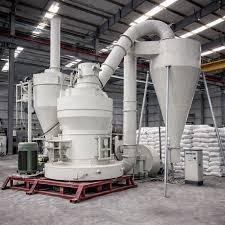
Chemical Companies in Pakistan
Behind every manufactured product, every agricultural harvest, and every water treatment facility in Pakistan stands a chemical company. These enterprises are the invisible foundation upon which modern industry rests, providing the raw materials, intermediate compounds, and specialty products that enable countless other sectors to function. From the largest textile mills to the smallest soap manufacturers, from fertilizer plants feeding the nation to pharmaceutical labs saving lives, chemical companies in Pakistan touch virtually every aspect of daily existence. Yet few citizens understand the scale, diversity, and strategic importance of this sector. The chemical industry ranks among the largest contributors to national manufacturing output, employing thousands of skilled professionals and generating billions in revenue annually. Understanding how this sector operates, who the key players are, and what drives success in this demanding field provides valuable insight into Pakistan’s economic landscape.
Historical Development of Pakistan’s Chemical Sector
The story of chemical companies in Pakistan begins shortly after independence, when the newly formed nation recognized the urgent need for basic industrial chemicals. The 1950s and 1960s saw the establishment of foundational enterprises focused on soda ash, caustic soda, sulfuric acid, and other commodities essential for textile processing, soap making, and glass production. The 1970s brought nationalization, which consolidated many smaller players but also led to inefficiencies that took decades to correct. The economic liberalization of the 1990s allowed private investment to flow back into the sector, sparking modernization and expansion. The 2000s saw the emergence of specialty chemical manufacturers serving niches such as pharmaceutical intermediates, agrochemicals, and personal care ingredients. Today, the sector includes multinational corporations operating local subsidiaries, large domestic conglomerates, and small to medium enterprises focusing on specific product categories. This diversity creates a dynamic ecosystem where different business models coexist and compete.
Major Chemical Hubs and Industrial Clusters
Geographic concentration characterizes the chemical industry, with certain regions hosting the majority of chemical companies in Pakistan. Karachi leads as the largest hub, benefiting from port access for raw material imports and finished product exports. The Korangi Industrial Area, Landhi Industrial Area, and Port Qasim host dozens of chemical manufacturing units, ranging from massive refineries to smaller batch processors. Punjab follows closely, with Faisalabad emerging as a significant center for textile chemicals and dyes, serving the region’s extensive fabric processing industry. Lahore and its surrounding industrial estates contain numerous chemical companies serving diverse markets including pharmaceuticals, paints, detergents, and printing inks. Sheikhupura and Gujranwala have developed clusters focused on industrial solvents and adhesives. Khyber Pakhtunkhwa, particularly the Gadoon Industrial Estate and Hattar, hosts chemical manufacturers benefiting from proximity to hydropower and certain raw materials. This geographic distribution means that buyers seeking chemical products often find suppliers concentrated in specific areas.
Understanding Product Categories and Specializations
The term “chemical company” encompasses an extraordinarily wide range of products and capabilities. Basic chemical companies in Pakistan focus on commodity chemicals produced in massive quantities, soda ash for glass making, caustic soda for textile processing and aluminum production, sulfuric acid for fertilizer manufacturing, and chlorine for water treatment. Industrial gas companies produce oxygen, nitrogen, and acetylene used in metal fabrication, healthcare, and food preservation. Agrochemical manufacturers formulate pesticides, herbicides, and fungicides that protect crops and ensure food security. Pharmaceutical chemical producers create active pharmaceutical ingredients and excipients used in medicine manufacturing. Paint and coating companies mix pigments, resins, and solvents to produce decorative and protective finishes. Detergent and soap manufacturers process surfactants, builders, and fragrances into cleaning products. Water treatment chemical suppliers provide coagulants, flocculants, and biocides for municipal and industrial water systems. Each specialization requires different equipment, expertise, and regulatory compliance.
Raw Material Sourcing and Supply Chain Challenges
The raw materials that feed chemical companies in Pakistan present unique challenges compared to other manufacturing sectors. Many basic chemical feedstocks are derived from petroleum or natural gas, making the industry sensitive to fluctuations in global energy prices. Local natural gas availability and pricing directly affect production costs for manufacturers using gas as both fuel and feedstock. Petrochemical derivatives such as ethylene, propylene, and benzene are largely imported, exposing Pakistani manufacturers to shipping costs, customs delays, and currency fluctuations. Specialty chemicals often require imported intermediates not produced locally, creating complex supply chains vulnerable to international disruptions. Successful chemical companies have developed robust procurement strategies, including long term contracts with reliable suppliers, diversified sourcing across multiple countries, and inventory management systems that balance holding costs against supply risks. The best chemical companies in Pakistan also invest in backward integration, producing their own intermediates rather than relying on third parties.
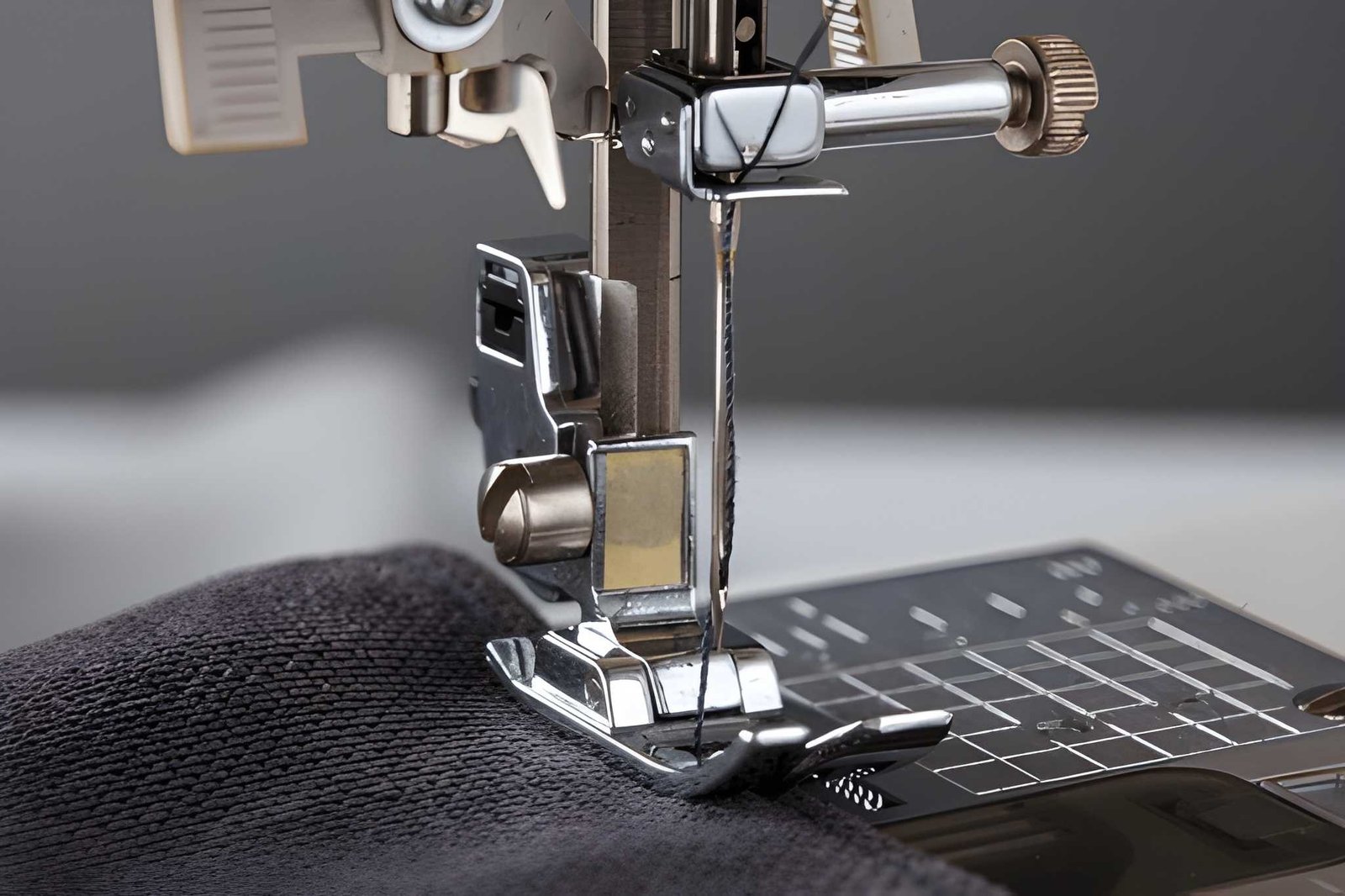
Modest fashion has become more popular than ever, especially among women who want clothing that combines comfort, elegance, and practicality. From abayas and maxi dresses to loose-fit kurtas and modest formal wear, women are now looking for outfits that reflect their personal style while also making them feel comfortable throughout the day. However, finding ready-made clothing that fits perfectly can often be difficult.
Many women struggle with issues such as uncomfortable fabric, improper fitting, sleeves that are too tight, or lengths that do not suit their height. These small problems can affect confidence and comfort during daily activities. This is where customized modest wear becomes a practical solution for women who value both fashion and ease.
A professionally stitched outfit is designed according to personal measurements and preferences. This allows women to enjoy better movement, improved comfort, and a more polished appearance. Today, many women prefer visiting a trusted ladies tailor in Karachi to create outfits that match their exact needs instead of relying completely on ready-made clothing.
Customized modest wear also allows women to choose fabrics that suit the weather and their lifestyle. Lightweight fabrics can provide comfort during hot summer days, while thicker materials offer warmth during cooler seasons. This flexibility helps women feel comfortable no matter where they are going, whether it is work, university, shopping, or a family gathering.
Why Comfort Matters in Daily Fashion
Comfort plays an important role in everyday clothing choices. If an outfit feels uncomfortable, it can affect mood, confidence, and productivity throughout the day. Tight stitching, rough fabric, or improper cuts can make even the most stylish dress difficult to wear comfortably.
Customized modest wear solves these issues by focusing on individual preferences. Women can decide how loose or fitted they want their outfits to be. They can also choose sleeve styles, neckline designs, and overall dress lengths according to their comfort level.
When clothing is designed specifically for the wearer, it naturally feels better and allows easier movement. This is especially important for women who spend long hours outside their homes or have busy daily routines.
The Growing Demand for Personalized Modest Fashion
Fashion trends continue to change, but one thing remains constant: women want clothing that represents their personality. Customized modest wear gives women complete freedom to create outfits that reflect their own taste instead of following mass-produced styles.
Some women prefer simple and elegant designs, while others enjoy adding embroidery, lace, or trendy cuts to their outfits. Custom stitching makes all of these options possible. Instead of adjusting to available market sizes, women can now create clothing that truly suits them.
This growing demand has encouraged many tailoring businesses to offer personalized services that focus on quality stitching and customer satisfaction. As a result, custom modest fashion has become more accessible and convenient than ever before.
How Customized Clothing Improves Confidence
Wearing clothes that fit properly can instantly improve confidence. When women feel comfortable in what they wear, they naturally carry themselves with greater confidence and ease.
Customized modest wear helps avoid common problems such as overly tight shoulders, uneven lengths, or loose waistlines. Properly fitted outfits create a cleaner and more elegant appearance without compromising modesty.
Women often feel more relaxed in custom-stitched clothing because they know the outfit was made specifically for them. This emotional comfort can make a big difference in social gatherings, workplaces, and even daily routines.
The Importance of Fabric Selection
Fabric choice is one of the most important factors in comfortable clothing. Ready-made outfits often use limited fabric options that may not suit every season or skin type.
With customized stitching, women can select fabrics based on their personal comfort. Breathable fabrics like lawn and cotton are ideal for summer, while linen and wool blends can provide warmth during the winter months.
Good fabric selection also improves durability. High-quality materials last longer and maintain their appearance even after repeated use. This makes customized modest wear a smart long-term investment for many women.
With the growing demand for modest fashion, many women are also turning toward professional abaya stitching services to create stylish yet comfortable abayas that match modern fashion trends while maintaining modesty. Customized abayas allow women to choose sleeve designs, fabric textures, embellishments, and fitting styles according to their personal preferences. This level of customization is difficult to achieve with ready-made abayas available in stores.
Convenience of Modern Tailoring Services
Modern tailoring services have become much more convenient compared to traditional methods. Many tailoring businesses now offer online consultations, home measurements, and doorstep delivery services to make the process easier for customers.
Women no longer need to spend hours visiting crowded markets in search of the perfect outfit. Instead, they can share their design ideas, measurements, and fabric choices directly with experienced tailors.
This convenience is especially valuable for working women, students, and mothers who may not have enough time for multiple market visits. Customized stitching services save time while still providing high-quality fashion solutions.
Balancing Style and Modesty
One of the biggest advantages of customized modest wear is the ability to balance style with modesty. Many ready-made outfits focus heavily on trends while ignoring comfort or coverage preferences.
Custom stitching allows women to stay fashionable without compromising their values. They can adjust outfit lengths, sleeve styles, and fitting according to their comfort while still following modern trends.
This flexibility has made customized modest fashion increasingly popular among women of all age groups. From young students to professional women and homemakers, personalized clothing continues to gain attention for its practicality and elegance.
FAQs
Is customized modest wear more comfortable than ready-made clothing?
Yes, customized clothing is usually more comfortable because it is stitched according to personal measurements and preferences. This provides a better fit and allows easier movement throughout the day.
Why do women prefer custom stitching for modest fashion?
Many women prefer custom stitching because it allows them to choose designs, fabrics, and fitting styles that suit their comfort and fashion preferences.
Are customized abayas expensive?
The cost depends on the fabric, design, and stitching details. However, customized abayas are often considered a worthwhile investment because they provide better comfort and long-lasting quality.
Can customized outfits follow modern fashion trends?
Yes, customized modest wear can easily include modern cuts, embroidery, and stylish details while still maintaining modesty and comfort.
How long does custom stitching usually take?
The time depends on the complexity of the design and the tailor’s schedule. Simple outfits may take a few days, while heavily detailed dresses may require more time.
Conclusion
Customized modest wear has transformed the way women approach fashion and comfort. Instead of adjusting to standard sizes and limited designs, women now have the freedom to create outfits that truly match their body shape, style preferences, and comfort needs.
From selecting breathable fabrics to choosing elegant designs, customized clothing provides a more personalized and satisfying experience. Whether it is casual daily wear, formal dresses, or stylish abayas, custom stitching helps women feel confident, comfortable, and fashionable at the same time.
As modest fashion continues to grow, customized tailoring services will remain an important solution for women who value individuality, convenience, and comfort in their everyday clothing choices.

In the textile and in the industrial fabric world what we see is that material choice is not purely technical; it also plays a great role in determining product quality, cost efficiency, sustainability, and long term performance. As a garment manufacturer, exporter or fabric buyer you will agree that the issue of which between polyester fiber and natural fiber to use is more important today than ever before.
Should we go for synthetic based fabrics or natural fibers? That is not a simple question but in looking at both sides of the issue we can better inform our decision.
This blog walks you through a comparison of fabrics which is very practical and story driven in nature to help you choose the right one for your business.
The Beginning of Every Fabric Decision
In Pakistan there is a garment manufacturer which has received two large orders at the same time. One is for sportswear which requires durability and sweat resistance. The other is for premium summer wear that requires softness and breathability.
The manufacturer has a key decision to make:.
- Should they go with polyester based fabric for durability and performance?
- Or what about natural fibers for that which is easy on the environment?
This is the point at which most fabric buyers start out between performance, cost, and customer expectations.
Understanding Polyester Fiber
Polyester fabric which is a man made material from petroleum products has over the years become the world’s most used textile to which is attributed its strength, durability and versatility.
Key Features of Polyester Fiber
- Highly durable and long-lasting
- Resistant to shrinking and stretching
- Quick-drying and moisture-resistant
- Cost-effective for mass production
- Easy to blend with other fibers
In the industrial world polyester is the workhorse of large scale textile manufacturing. It is used in sportswear, uniforms, home textiles and also in blends.
Why Polyester Fiber is So Popular
Polyester fiber’s success is for a reason. It is because of its solution to manufacturing issues.
For instance a sportswear brand requires fabric that:.
- Handles sweat efficiently
- Maintains shape after multiple washes
- Costs less for bulk production
Polyester fiber checks all these boxes.
This is what we see from global textile suppliers which include Avon Commercial to be the case for international buyers.
The Natural Fiber Alternative
At the other end of the scale are natural fibers like cotton, wool and bamboo based fabrics. These materials which come from plants or animals are known for their comfort and breathability.
In this category we are seeing the rise of bamboo fabric which is very much in demand among eco conscious buyers.
Bamboo Fabric Suppliers and the Sustainability Transition.
In recent times we have seen a large growth in the Bamboo Fabric Suppliers’ field which is a result of the world’s turn to sustainability.
Bamboo fabric is:.
- Naturally soft and breathable
- Antibacterial and skin-friendly
- Environmentally sustainable
- Biodegradable
Unlike what you find in the synthetic world, bamboo fabric has a natural feel which is very appealing to fashion brands that go after the eco conscious consumer.
Many international buyers at present are turning to Bamboo Fabric Suppliers which they can rely on as they work towards sustainability and reduced environmental impact.
Polyester Fiber vs Natural Fibers: The True Comparison.
To get it right we will look at both options practically.
1. Wear resistance
- Polyester Fiber: Very durable and wear resistant.
- Natural Fibers: Comfortable for the most part but not very durable.
2. Comfortable
- Polyester Fiber: Less so when blended.
- Natural Fibers: Very light and gentle on skin.
3. Price Effectiveness
- Polyester Fiber: More economical for large scale production.
- Natural Fibers: A little on the expensive side based on quality.
4. Sustainable
- Polyester Fiber: Less of an environmental choice due to its synthetic base.
- Natural Fibers: Eco friendly and bio degradable.
5. Request for application
- Polyester Fiber: Sports gear, industrial textiles, uniforms.
- Natural Fibers: Fine jewelry, baby clothes, eco fashion.
A Real Business Scenario
Let’s take back to our garment manufacturer.
In the sportswear line we went with polyester fiber which we chose for its durability, flexibility and also for the economic aspect. We see that the end product does very well in the market thanks to its long wear.
In the summer line we use bamboo based fabrics. We have a range of soft, breathable and eco friendly products which appeal to the premium customer.
This balanced strategy which in turn increases profit and customer satisfaction.
The Hybrid Approach: Merging Two Worlds
Today we see that which material to use is a thing of the past. Many manufacturers are using a mix of:.
- Polyester fiber for strength
- Natural fibers for comfort
This is what we have achieved with our hybrid approach:.
- Durable
- Comfortable
- Cost-effective
- Market versatile
Blued out fabrics are very much in demand for global trade which is due to performance and sustainability.
Market Demand Trends
The global textile industry is in the midst of change. Here are some key trends:.
- Growing market for polyester fiber in industry.
- Increasing interest in eco-friendly fabrics
- Rise of the bamboo fabric industry as a result of sustainability awareness.
- Expansion of blended fabric technologies
- Shift toward performance-based textiles
Businesses which adapt to these trends early gain a competitive edge in international markets.
How to Make the Right Choice
As you decide between polyester fibers and natural fabrics, ask yourself these questions:.
- What do the products do?
- Is durability more important than comfort?
- What is the target market’s preference?
- Is green a priority with your brand?
- What is your production budget?
Answer these and you will make the right choice in fabric.
Final Thoughts
Between polyester fiber and natural fabrics there isn’t a right choice it is in fact about what best serves the purpose and application.
Polyester fabric reports to be of great wear resistance and economy which in turn makes it a favorite for industrial and large scale production. As for natural fibers we see that bamboo in particular from reliable suppliers brings out elements of comfort, sustainability, and a premium look.
At the end of what smart businesses do is they balance between using each material for what it does best.
FAQs
What does polyester do?
Polyester is a popular choice for sportwear, work uniforms, industrial fabrics, home textiles and also for blended fabrics which is because of its’ wear resistance and low cost.
Does synthetics outperform natural fibers?
It is to be determined by the use. Polyester fiber does better for durability and performance, whereas natural fibers do better for comfort and breathability.
Is bamboo fabric eco friendly?
Yes we see that bamboo based fabrics are a very green choice which is in part due to their biodegradability, renewability and also the fact that they use less water in the growth phase as compared to traditional cotton.
Why do bamboo fabric suppliers have success?
Bamboo fabric is a growing trend in the global market which is a result of increased demand for sustainable, soft and skin friendly textile materials.
Can natural fibers be used with polyester?
Yes, we see that natural fibers are used with polyester in order to increase strength, improve durability and also to control cost at the same time we preserve comfort.
What is the best fabric for clothing?
It varies by product type. For activewear and industrial use polyester fiber does the best job, in which as for premium and eco friendly clothing natural fibers do better.
Is it safe for skin to use polyester fiber?
Yes it is true that polyester is a safe choice for the skin, we do however see that many go for natural fibers which offer better breathability and comfort.
Do textile producers use both polyester and natural fibers?
Yes many manufacturers which also include a mix of them use what we may term as blends to achieve a better performance in terms of wear and tear, comfort and price.
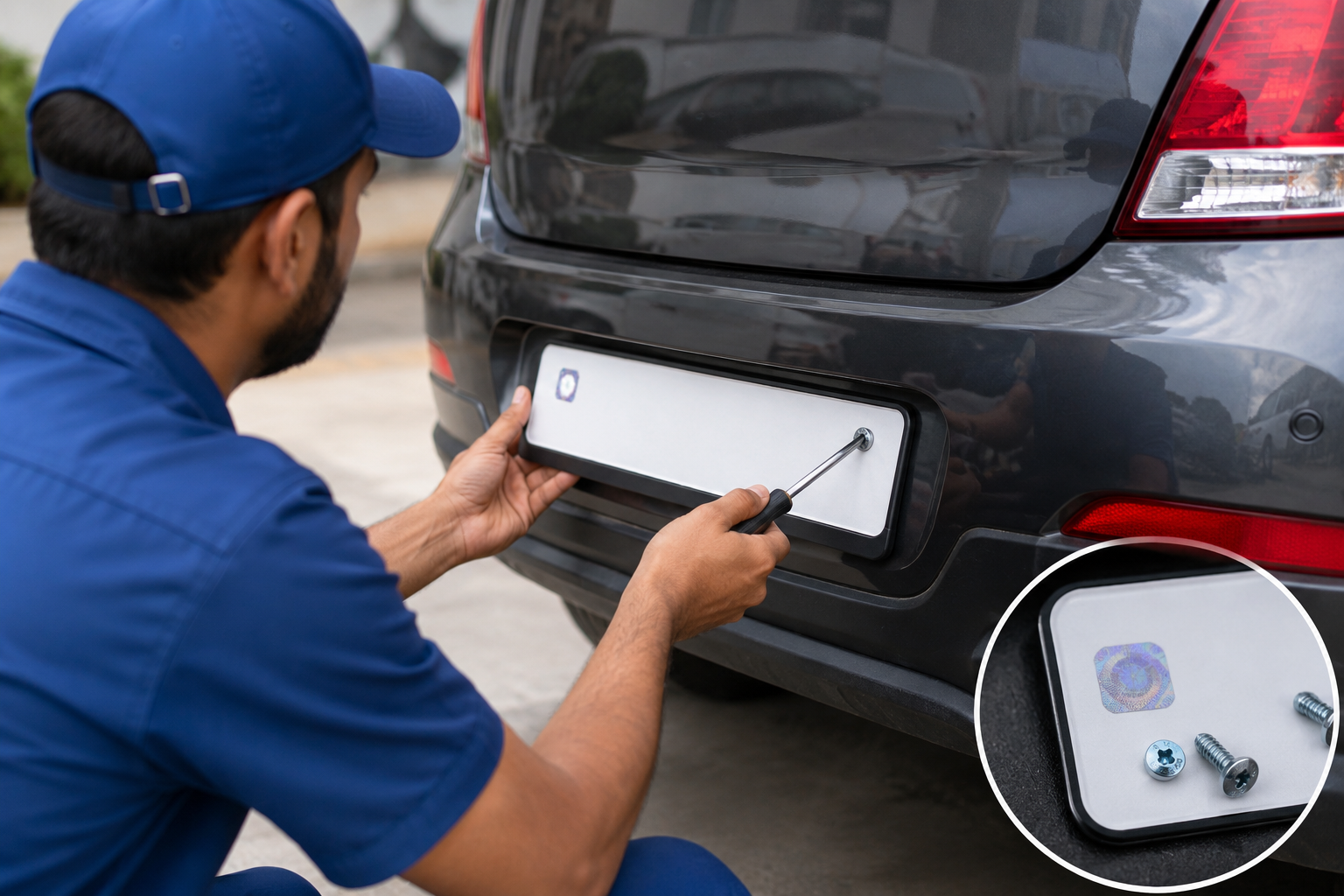
HSRP — the High Security Registration Plate — is far more than a cosmetic upgrade to your vehicle’s number plate. Mandated by the Supreme Court of India and the Ministry of Road Transport and Highways, it is a critical security and compliance feature that every vehicle owner must understand. This article explains why HSRP matters, what makes it different from a standard plate, and how to apply for one.
What Is HSRP?
A High Security Registration Plate is a standardised, tamper-resistant number plate that carries a set of security features designed to prevent forgery, vehicle theft, and registration fraud. The plates are manufactured and supplied by government-authorised vendors and fitted at authorised centres — they cannot be replicated by roadside plate makers.
The key security features of an HSRP include:
Chromium-based hologram: A non-removable “IND” hologram sticker affixed to the plate. Any attempt to remove it destroys the hologram visibly.
Laser-etched 10-digit PIN: A unique identification number laser-etched onto the plate and linked to the vehicle’s registration in the national database. This PIN allows law enforcement to verify the plate’s authenticity instantly.
Hot-stamped IND mark: Positioned at the top left of the plate, visible in all lighting conditions.
Non-removable snap-lock bolts: The plate is affixed using special bolts that break permanently if any attempt is made to remove the plate. This makes plate swapping — a common tactic in vehicle theft — virtually impossible.
Retroreflective film: The plate’s surface reflects light at night, improving visibility for both traffic cameras and law enforcement.
Why Is HSRP Important?
1. Prevention of Vehicle Theft
Conventional number plates can be fabricated, duplicated, or swapped within minutes. HSRP plates, with their snap-lock bolts and laser-etched PINs, make it substantially harder to steal a vehicle and attach a different plate to evade identification. The plate’s details are also linked to a central database, making verification quick and accurate.
2. Curbing Registration Fraud
Duplicate or forged number plates are used in crimes ranging from toll evasion to serious offences. The standardised manufacturing process and central database linkage of HSRP make plate forgery significantly more difficult to execute and easier to detect.
3. Legal Compliance
The Supreme Court of India directed that all vehicles registered before April 2019 must be retrofitted with HSRP. For vehicles registered after April 2019, HSRP is issued at the time of registration as standard. Driving a vehicle without HSRP is a violation under the Motor Vehicles Act and attracts fines in states where enforcement is active.
4. Support for Digital Traffic Enforcement
High-resolution traffic cameras and ANPR (Automatic Number Plate Recognition) systems used by traffic police perform significantly better with HSRPs due to their retroreflective surface and standardised font and layout. This also means that challans are more reliably linked to the correct vehicle.
Who Needs to Apply for HSRP?
Any vehicle registered before April 2019 that is not already fitted with an HSRP needs to apply. This includes:
- Cars, SUVs, and other four-wheelers
- Two-wheelers
- Commercial vehicles
Vehicles registered after April 2019 would have received HSRP at the time of purchase through the dealership.
How to Apply for HSRP
The application process for HSRP is handled through state-specific portals, most of which are operated through the government-authorised platform bookmyhsrp.com.
For Most States (Including Delhi, UP, Maharashtra, and others):
- Visit bookmyhsrp.com
- Select your state and vehicle type
- Enter your vehicle registration number, chassis number (last 5 digits), and engine number (last 5 digits)
- Enter your mobile number for OTP verification
- Select an authorised fitment centre near you and choose an appointment slot
- Pay the applicable fee online
- Visit the fitment centre on your appointment date with your vehicle and RC
- HSRP is fitted using snap-lock bolts in 15–30 minutes
For Rajasthan:
[HSRP Rajasthan](www.bajajfinserv.in/insurance/hsrp-rajasthan) applicants can book through rajhsrp.com or through authorised dealers, following a similar booking-and-fitment process.
What Is the Cost of HSRP?
Costs are standardised by state authorities. Approximate ranges:
- Two-wheelers: ₹300–400
- Four-wheelers: ₹500–900 (front and rear plates)
- Commercial vehicles: Slightly higher
Exact fees are displayed at the time of booking on the portal.
Colour-Coded Fuel Stickers
In states like Delhi, the HSRP booking also includes a colour-coded sticker affixed to the windscreen of four-wheelers to indicate the vehicle’s fuel type (petrol, diesel, CNG, electric). This sticker is part of the same HSRP fitment process and is booked on the same portal.
Penalty for Not Having HSRP
In states where HSRP enforcement is active (Delhi, Uttar Pradesh, Maharashtra, among others), traffic police can fine vehicles without HSRP under Section 192 of the Motor Vehicles Act. Penalties can range from ₹5,000 to ₹10,000 for first offences and higher for repeat violations. Given the straightforward and low-cost booking process, compliance is by far the more sensible choice.
Conclusion
HSRP is a meaningful security improvement that protects vehicle owners, reduces crime, and supports the integrity of India’s vehicle registration system. For the millions of older vehicles still running standard plates, applying for HSRP is both a legal obligation and a practical measure to protect your vehicle. With the online booking process taking under 10 minutes and fitment completed in under 30, there is no good reason to delay.
HSRP fees, portal details, and state-specific processes are subject to change. Refer to bookmyhsrp.com and your state’s transport department for the most current information.

Why Pakistan’s Climate Is Secretly Destroying Your Skin Barrier — And Which Branded Creams Are Built to Fight Back

Can Customized Modest Wear Improve Your Daily Comfort?

How to Choose Between Polyester or Natural Fiber Fabrics

Reid Health Meta Pixel Class Action Lawsuit: Settlement, Patient Data, and Privacy Implications

www.healthsciencesforum.com: Your Complete Guide to Health Insights, Resources, and Community Support

Betanden: Meaning, Origins, Modern Usage, and Everything You Need to Know

-
 HEALTH3 months ago
Reid Health Meta Pixel Class Action Lawsuit: Settlement, Patient Data, and Privacy Implications
-
 HEALTH3 months ago
www.healthsciencesforum.com: Your Complete Guide to Health Insights, Resources, and Community Support
-
 HEALTH3 months ago
Betanden: Meaning, Origins, Modern Usage, and Everything You Need to Know
-
 HEALTH3 months ago
MyZaxbysfeedback Survey – How to Claim Rewards and Enhance Your Zaxby’s Experience
-

 FINANCE3 months ago
Ultimate Guide to TechZone Electronics Financing: Flexible Options for Every Budget
-

 HEALTH3 months ago
OneShare Health Review 2026 – Plans, Costs, and Member Benefits
-
 HEALTH5 months ago
Ariel Gonzalez Platinum Health: A Comprehensive Guide to Transformative Wellness Solutions
-

 TECH3 months ago
Jusziaromntixretos: A Comprehensive Guide to the Future of Technology and Governance