
HEALTH
OneFramework: 6 Ways Technology Affects Your Sleep Health


We’re living in a screen-saturated world. From smartphones buzzing on nightstands to laptops glowing in darkened bedrooms, technology has woven itself into the fabric of our sleep routines. But here’s the uncomfortable truth: that digital dependency might be sabotaging your rest more than you realize.
The relationship between technology and sleep health has become one of the most researched topics in modern wellness science. Studies reveal that over 70% of adults use electronic devices within an hour of bedtime, yet most remain unaware of how profoundly this habit disrupts their sleep architecture.
Let’s explore the six critical ways technology impacts your sleep health, backed by science, expert insights, and practical solutions you can implement tonight.
1. Blue Light Disrupts Your Circadian Rhythm
Your body operates on an internal clock called the circadian rhythm, which regulates sleep-wake cycles. This biological system depends heavily on light exposure to function properly.
Digital screens emit high levels of blue light—a short-wavelength light that mimics daylight. When your eyes absorb this light during evening hours, your brain receives a confusing signal: it’s daytime, stay alert.
The Science Behind It
Research from Harvard Medical School demonstrates that blue light suppresses melatonin production by up to 50%. Melatonin is your body’s natural sleep hormone, typically released around 9 PM to prepare you for rest. When screens interfere with this process, you’re essentially fighting against your biology.
A 2019 study published in the Journal of Clinical Sleep Medicine found that participants who used smartphones for two hours before bed experienced a 23-minute delay in sleep onset compared to those who avoided screens.
Real-World Impact
Consider this scenario: You scroll through social media at 11 PM. Your brain processes the blue light as midday sun exposure. Your melatonin release gets delayed until midnight or later. You finally fall asleep around 1 AM but need to wake at 6 AM. That’s chronic sleep deprivation building up night after night.
2. Psychological Stimulation Keeps Your Mind Racing
Technology doesn’t just affect you physically—it creates mental overstimulation that prevents the calm state necessary for quality sleep.
Content Overload
Every notification, email, or social media post triggers cognitive processing. Your brain analyzes information, formulates responses, and generates emotional reactions. This mental activity contradicts the wind-down process your body needs before sleep.
Dr. Michael Breus, clinical psychologist and sleep specialist, explains: “When you engage with stimulating content before bed, you’re asking your brain to shift from high-alert mode to rest mode instantly. That’s like expecting a car traveling 80 mph to stop within seconds.”
The Stress Factor
Work emails at bedtime activate stress responses. News updates trigger anxiety. Social media comparisons generate insecurity. These psychological states elevate cortisol levels—your body’s primary stress hormone—making relaxation nearly impossible.
A University of Pennsylvania study tracked 1,700 adults and discovered those who checked work emails after 9 PM experienced 30% more sleep disturbances than colleagues who maintained digital boundaries.
See all: Understanding the Real Difference: Mental Health vs. Emotional Health
3. Sleep Environment Degradation
Your bedroom should be a sanctuary for rest, but technology transforms it into an extension of your waking world.
Ambient Light Pollution
Even devices in standby mode emit light. That charging phone, humming laptop, or blinking router creates low-level illumination that your brain detects through closed eyelids.
Research indicates that sleeping in complete darkness versus minimal artificial light can improve sleep quality by 20%. Your eyes contain specialized cells called intrinsically photosensitive retinal ganglion cells, which detect light and signal your brain to maintain wakefulness—even when you’re asleep.
Temperature Interference
Electronics generate heat. Laptops, tablets, and gaming consoles raise room temperature, which directly impacts sleep quality. Your body needs to drop its core temperature by approximately two degrees Fahrenheit to initiate sleep. A warmer environment prevents this physiological requirement.
4. Sleep Cycle Fragmentation Through Notifications
Sleep isn’t a single uniform state—it consists of multiple cycles, each lasting roughly 90 minutes and progressing through distinct stages: light sleep, deep sleep, and REM (rapid eye movement) sleep.
The Interruption Problem
Notification sounds, vibrations, and screen illumination fragment these cycles. Even if you don’t fully wake, your brain registers the disturbance, pulling you from deeper, restorative sleep stages into lighter ones.
A National Sleep Foundation survey found that 44% of smartphone users keep their devices within arm’s reach at night, with notifications enabled. These individuals averaged 32 minutes less quality sleep nightly compared to those who silenced devices.
Cumulative Effects
One notification might seem harmless, but multiply that by 5-10 interruptions per night, seven nights weekly. The result? Chronic sleep deprivation that accumulates faster than most people recognize.
5. Reduced Physical Activity and Daylight Exposure
Technology affects sleep indirectly through lifestyle changes it promotes.
Sedentary Behavior
Screen time typically means sitting—whether you’re working, gaming, or watching content. This reduced physical activity weakens sleep drive, the biological pressure that makes you feel tired.
Exercise increases adenosine levels in the brain, a chemical that promotes sleepiness. When you’re inactive due to excessive screen engagement, you’re producing less adenosine and feeling less naturally tired at bedtime.
Limited Sun Exposure
Many people spend 8-10 hours daily indoors, eyes fixed on screens rather than natural light. This pattern disrupts circadian rhythm calibration. Morning sunlight exposure is particularly crucial—it sets your internal clock and ensures proper melatonin timing later.
Studies show that workers in windowless offices experience 46 minutes less sleep nightly than those with natural light access during work hours.
6. Sleep Tracking Technology Paradox
Ironically, the devices designed to improve sleep might actually harm it through a phenomenon called orthosomnia—an unhealthy obsession with achieving perfect sleep metrics.
The Anxiety Cycle
Sleep trackers provide data: sleep duration, sleep stages, movement, heart rate. While informative, this information can create anxiety for some users who become fixated on achieving “optimal” numbers.
Dr. Kelly Baron, director of the Behavioral Sleep Medicine Program at the University of Utah, notes that patients sometimes develop sleep anxiety specifically from tracker data, worrying so much about sleep quality that the worry itself prevents good sleep.
Accuracy Limitations
Most consumer sleep trackers aren’t clinically validated. They estimate sleep stages using movement and heart rate, not the gold-standard polysomnography used in sleep labs. Misinterpreting imperfect data can lead to unnecessary sleep anxiety.
Practical Solutions for Better Sleep Health
Understanding the problem is just the beginning. Here’s how to reclaim your sleep:
Create Digital Boundaries
- Implement a 90-minute screen curfew before bedtime
- Use blue light filtering glasses if evening screen use is unavoidable
- Enable “Do Not Disturb” mode starting at 9 PM
Optimize Your Sleep Environment
- Remove all electronics from your bedroom
- Use blackout curtains to eliminate external light
- Maintain room temperature between 60-67°F
Establish Healthy Routines
- Replace evening screen time with reading, meditation, or light stretching
- Get morning sunlight exposure within 30 minutes of waking
- Exercise regularly, but finish intense workouts 3+ hours before bed
Use Technology Wisely
- If using sleep trackers, check data weekly rather than obsessing nightly
- Set automatic app limits on your phone
- Charge devices in another room overnight
The Bottom Line
Technology isn’t inherently evil, but its misuse profoundly disrupts sleep health. The six mechanisms outlined—circadian rhythm disruption, psychological stimulation, environment degradation, cycle fragmentation, lifestyle changes, and tracking anxiety—work together to undermine your rest.
Read also: Biologyterminology


Skin conditions are common and can affect people of all ages. While some concerns can be addressed with basic care, others may require medical attention. Weather changes, allergies, infections, hormones, and lifestyle habits can all affect skin health. Many people in cities like Mumbai consult a skin specialist for concerns such as acne, rashes, pigmentation, or scalp problems. Dermatologists identify the cause of skin conditions and recommend suitable treatment based on symptoms and skin type. Early diagnosis may help improve skin health and reduce discomfort.
Acne
Acne is one of the most common skin conditions treated by dermatologists. It develops when pores become blocked with oil, bacteria, and dead skin cells. Acne may appear as pimples, blackheads, whiteheads, or painful cysts on the face, chest, shoulders, or back.
Hormonal changes, stress, oily skin, and lifestyle habits may contribute to acne in many individuals. Dermatologists assess the severity of the condition before suggesting treatment, which may include creams, oral medications, chemical peels, or procedures that help improve skin texture and reduce inflammation.
Eczema
Eczema, also called atopic dermatitis, is a condition that causes dry, itchy, and inflamed skin. It may affect children as well as adults. Symptoms often appear on the hands, elbows, knees, or neck and may worsen because of irritants or weather changes.
People with eczema may experience redness, irritation, and rough, itchy patches that affect daily comfort. Dermatologists usually recommend moisturisers, medicated creams, and skincare adjustments to help manage flare-ups and help maintain skin hydration over time.
Psoriasis
Psoriasis is a long-term skin disorder linked to the immune system. It causes skin cells to multiply faster than normal, leading to thick and scaly patches. These patches commonly appear on the scalp, elbows, knees, and lower back in many individuals.
Symptoms may include itching, dryness, irritation, or cracked skin, depending on the severity of the condition. Dermatologists evaluate the skin carefully before recommending treatment, which may involve topical applications, light therapy, or oral medication to help control symptoms effectively.
Fungal Skin Infections
Fungal infections are common in warm and humid conditions. These infections may affect the skin, scalp, nails, or body folds. They can spread through direct contact, shared personal items, or excessive sweating.
Some common fungal infections treated by dermatologists include:
- Ringworm: A fungal infection that causes circular red patches with itching or scaling.
- Athlete’s Foot: A condition that commonly affects the skin between the toes and may cause peeling or irritation.
- Fungal Nail Infection: An infection that may lead to nail thickening, brittleness, or discolouration.
Proper diagnosis is important because fungal infections may resemble other skin conditions. Dermatologists usually recommend antifungal creams or oral treatment depending on the severity and affected area.
Pigmentation Disorders
Pigmentation disorders affect the colour of the skin and may appear as dark or light patches. These concerns can develop because of sun exposure, hormonal changes, acne marks, or ageing.
Some commonly seen pigmentation concerns include:
- Melasma: Brown or grey patches that commonly appear on the face.
- Post-Inflammatory Pigmentation: Dark marks that may remain after acne or skin irritation.
- Vitiligo: A condition where certain areas of the skin lose their natural colour.
Treatment depends on the cause and severity of pigmentation. Dermatologists may suggest topical creams, sun protection measures, or skin procedures to help improve uneven skin tone gradually.
Hair and Scalp Conditions
Dermatologists also treat several hair and scalp concerns that may affect daily comfort and appearance. These concerns may develop due to stress, nutritional deficiencies, infections, hormonal imbalance, or genetic factors.
Some common hair and scalp concerns include:
- Hair Fall: Excessive hair shedding that may occur temporarily or over a longer duration.
- Dandruff: Flaking and itching of the scalp caused by irritation or scalp imbalance.
- Scalp Infections: Conditions that may lead to redness, itching, or discomfort on the scalp.
- Hair Thinning: A gradual reduction in hair density that may affect both men and women.
Experienced skin specialists in Mumbai recommend suitable treatment after identifying the underlying cause. Early medical guidance may help manage symptoms and improve scalp health more effectively.
Allergic Skin Reactions
Skin allergies may develop after exposure to cosmetics, soaps, jewellery, fabrics, or environmental allergens. Symptoms can range from mild irritation to persistent rashes and discomfort.
Common signs of allergic skin reactions include:
- Redness: Inflamed or irritated skin patches.
- Itching: Continuous irritation that may worsen with scratching.
- Swelling: Mild puffiness in the affected area.
- Rashes: Uneven or sensitive skin reactions after exposure to triggers.
Dermatologists help identify potential allergens and recommend appropriate treatments to reduce irritation and support skin recovery. Medical advice becomes important when symptoms repeatedly occur or do not improve over time.
Conclusion
Skin conditions can affect comfort, confidence, and overall skin health if left untreated. Concerns such as acne, eczema, fungal infections, pigmentation disorders, and scalp problems often require proper medical evaluation for suitable management. Dermatologists help identify the underlying causes of these conditions and recommend appropriate treatments based on individual skin needs. Seeking timely medical guidance may support healthier, long-term skin health.

A breast cancer diagnosis often brings several treatment decisions that can feel overwhelming at first. Many patients also find themselves thinking about recovery, body changes, and what comes next after surgery. It is natural to have questions during this phase and to seek clarity before making any decisions.
Delhi offers access to advanced cancer care and experienced specialists who guide patients through every stage of treatment. In such settings, breast reconstruction surgery in Delhi is often discussed as part of the overall recovery plan. Understanding both immediate and delayed options can help you explore choices in a more informed and comfortable way, based on your medical needs and personal preferences.
What Is Breast Reconstruction Surgery?
Breast reconstruction surgery is a procedure that helps restore the shape and appearance of the breast after mastectomy or lumpectomy. It is an important part of recovery for many patients, supporting both physical healing and emotional well-being. This surgery can be done using implants or the patient’s own tissue. The timing of reconstruction plays a key role in planning the overall treatment journey and is usually determined by medical advice and individual choice.
Immediate Breast Reconstruction
Immediate breast reconstruction is performed at the same time as the mastectomy. This means the reconstruction begins during the same surgical procedure in which the breast tissue is removed. This option is generally considered for patients who are medically suitable and do not require urgent post-surgical treatments that may delay healing. It is planned in advance as part of the overall cancer surgery process.
Benefits of Immediate Reconstruction
Immediate breast reconstruction is considered for patients who are suitable for surgery at the time of mastectomy. It offers certain advantages that can support both physical recovery and emotional well-being.
- Reduces the number of surgeries needed overall
- May provide better cosmetic outcomes in selected cases
- Helps avoid the experience of living without a breast shape
- Supports emotional adjustment after cancer surgery
- Can make the overall treatment journey feel less prolonged
These benefits may vary depending on individual health conditions and treatment plans.
Limitations of Immediate Reconstruction
While immediate reconstruction has advantages, it may not be suitable for every patient. The decision depends on cancer treatment needs and overall medical condition.
- May not be possible if chemotherapy or radiation is required first
- Involves a longer and more complex initial surgery
- Higher risk of complications in some cases
- Not ideal for patients with certain health conditions
- Requires careful coordination with cancer treatment planning
Understanding these limitations helps patients and doctors decide the most appropriate timing for reconstruction.
Delayed Breast Reconstruction
Delayed breast reconstruction is performed after completing primary cancer treatments such as surgery, chemotherapy, or radiation therapy, and is usually planned once the focus shifts from cancer control to recovery and rebuilding. It is often recommended when additional treatments are required after a mastectomy or when immediate reconstruction is not suitable. This approach allows the body time to heal before undergoing another surgical procedure and gives patients space to recover physically and emotionally.
Benefits of Delayed Reconstruction
Delayed breast reconstruction is often chosen when cancer treatment needs to be completed first. It allows patients to focus on recovery from cancer before planning reconstruction surgery.
- Gives priority to completing chemotherapy or radiation first
- Allows tissues and skin to heal before reconstruction
- Provides more time to understand and choose treatment options
- May support safer surgical planning in some cases
- Helps patients make decisions without immediate pressure
These benefits make delayed reconstruction a suitable option for many patients, depending on their treatment journey.
Limitations of Delayed Reconstruction
While delayed reconstruction offers flexibility, it also presents challenges that patients should be aware of.
- May involve more than one surgical procedure
- Can extend the overall recovery timeline
- Emotional adjustment may take longer for some patients
- Changes in skin and tissue over time can affect planning
- The procedure may become more complex in certain cases
Understanding these points helps patients make informed decisions with their medical team.
Factors That Influence the Choice
The decision between immediate and delayed breast reconstruction depends on several medical and personal factors. Doctors carefully evaluate each case to recommend the most suitable approach for the patient.
- The stage of breast cancer and how advanced the condition is
- Overall treatment plan, including surgery, chemotherapy, or radiation therapy
- General health condition and fitness for surgery
- Timing and sequence of cancer treatments
- Personal preferences and emotional readiness for reconstruction
- Expected recovery time and possible surgical outcomes
The choice is always made through a shared discussion between the patient and the medical team to ensure safe and appropriate care.
Conclusion
Immediate and delayed breast reconstruction are both valid approaches, each suited to different medical situations and treatment timelines. Immediate reconstruction may offer the advantage of fewer surgeries and earlier physical restoration, while delayed reconstruction provides flexibility to complete cancer treatment first and allows the body more time to heal.
The choice depends on several factors, including cancer stage, overall health, treatment plan, and personal comfort. With careful evaluation and medical guidance, patients can choose a timing that best aligns with their recovery needs and long-term well-being. Understanding breast reconstruction surgery in Delhi helps in making a more informed and confident decision at each stage of the journey.
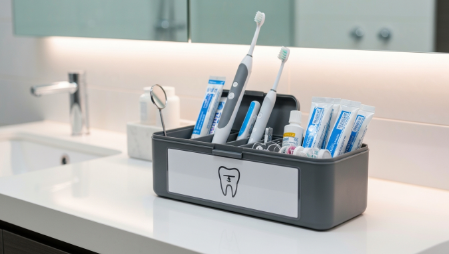
Dental emergencies can be both painful and alarming, often occurring at the most inconvenient times. Whether it’s a sudden toothache, a broken tooth, or a lost filling, knowing how to respond effectively can significantly impact the outcome. In this guide, we explore what constitutes a dental emergency, how to manage these situations, and what to expect from emergency dental care. With a focus on preparedness, this article will help you navigate the complexities of dental emergencies with confidence.
Understanding Dental Emergencies
Not every dental issue requires immediate attention, but some situations demand urgent care. Recognizing a true dental emergency is crucial. Common emergencies include severe toothaches, chipped or broken teeth, knocked-out teeth, and abscesses. Each of these conditions can lead to further complications if not addressed promptly.
Severe toothaches, for example, may indicate an infection or decay that needs immediate treatment to prevent further damage. A knocked-out tooth, if handled swiftly and correctly, can often be reinserted and saved. Understanding these nuances helps in making informed decisions during critical moments.
Tips for Handling Dental Emergencies
Preparation is key when it comes to managing dental emergencies effectively. Here are some practical steps to take when faced with a dental crisis:
- Stay Calm: Panicking can exacerbate the situation. Take deep breaths and assess the injury calmly.
- Act Quickly: Time is often of the essence. For a knocked-out tooth, try to place it back in its socket without touching the root. If that’s not possible, store it in milk or a special tooth preservation product until you can reach a dentist.
- Manage Pain and Swelling: Use over-the-counter pain relief and apply a cold compress to reduce swelling and discomfort.
- Protect the Affected Area: Avoid eating or drinking on the side of the injury and refrain from using straws, which can dislodge clots or cause further harm.
- Contact a Professional: Reach out to an emergency dentist in Fort Worth, Texas as soon as possible for guidance and to arrange a visit.
What to Expect from Emergency Dental Care
Emergency dental visits can differ significantly from regular appointments. The primary goal is to alleviate pain and address the immediate problem. Here’s what you might expect during an emergency dental visit:
- Prompt Evaluation: Upon arrival, the dentist will assess the severity of your condition quickly to determine the best course of action.
- Pain Management: Before any procedure, your comfort is prioritized. Dentists often administer local anesthesia to numb the affected area.
- Immediate Treatment: Depending on the issue, the dentist may perform a temporary fix or a more permanent solution to stabilize your condition. This could include filling cavities, repairing broken teeth, or performing root canals.
- Follow-Up Care: Post-treatment, you’ll receive instructions on how to care for your injury and schedule any necessary follow-up appointments for permanent solutions.
The Importance of Timely Dental Care
Delaying treatment for a dental emergency can lead to complications such as infections, increased damage, and even tooth loss. According to the American Dental Association, acting promptly during dental emergencies can prevent more extensive procedures and save teeth that might otherwise be lost.
Furthermore, quick response times can significantly reduce pain and recovery times. By addressing the problem early, you minimize the risk of further complications and maintain oral health more effectively.
Creating a Dental Emergency Kit
Being prepared for dental emergencies involves having the right tools at your disposal. Consider assembling a dental emergency kit, which should include:
- A small container with a lid
- Saline solution
- Gauze pads
- A clean handkerchief
- Over-the-counter pain relievers
- A cold compress
- A dental mirror for self-assessment
Having this kit ready can make handling a dental emergency less stressful and more efficient.
Why Choose a Local Emergency Dentist
Opting for a local emergency dentist offers several advantages. Familiarity with your dental history allows the dentist to make informed decisions quickly. Moreover, proximity reduces travel time during emergencies, ensuring you receive care promptly. Building a relationship with a local dentist also means you’ll have a trusted professional to turn to in times of need.
Conclusion
Dental emergencies are unpredictable, but with the right knowledge and preparation, they can be managed effectively. By understanding what constitutes an emergency and knowing how to react, you can protect your oral health and prevent further complications. Remember, quick action and professional guidance are crucial, so don’t hesitate to contact a trusted emergency dental service when needed. Prepare today and ensure peace of mind for tomorrow.

How to Become a Project Manager

Explain Common Skin Conditions Treated by Dermatologists

Why Getting a Mortgage Broker in Perth WA Matters

Reid Health Meta Pixel Class Action Lawsuit: Settlement, Patient Data, and Privacy Implications

www.healthsciencesforum.com: Your Complete Guide to Health Insights, Resources, and Community Support

MyZaxbysfeedback Survey – How to Claim Rewards and Enhance Your Zaxby’s Experience

-
 HEALTH3 months ago
Reid Health Meta Pixel Class Action Lawsuit: Settlement, Patient Data, and Privacy Implications
-
 HEALTH3 months ago
www.healthsciencesforum.com: Your Complete Guide to Health Insights, Resources, and Community Support
-
 HEALTH3 months ago
MyZaxbysfeedback Survey – How to Claim Rewards and Enhance Your Zaxby’s Experience
-

 HEALTH3 months ago
Betanden: Meaning, Origins, Modern Usage, and Everything You Need to Know
-
 HEALTH5 months ago
Ariel Gonzalez Platinum Health: A Comprehensive Guide to Transformative Wellness Solutions
-

 FINANCE3 months ago
Ultimate Guide to TechZone Electronics Financing: Flexible Options for Every Budget
-

 HEALTH3 months ago
OneShare Health Review 2026 – Plans, Costs, and Member Benefits
-

 HEALTH3 months ago
Water Flosser QXJ0: Ultimate Guide to Effortless and Effective Oral Care