
HEALTH
Beyond Spice Racks: How Oleoresins Are Quietly Revolutionizing the Global Food Ingredient Industry


The Modern Food Industry Is Moving Beyond Traditional Spices
The global food industry has undergone rapid transformation in recent years. Today’s consumers expect food products to deliver strong flavor, natural ingredients, longer shelf life, and consistent quality all at once. To meet these expectations, manufacturers are continuously improving how ingredients are sourced and processed. In this shift, best oleoresins have quietly emerged as one of the most important innovations in the modern ingredient market.
For centuries, spices were used in their raw or powdered form. While still essential in global cuisines, traditional spices present several challenges for large-scale food production. These include flavor inconsistency, contamination risks, unstable color, and limited shelf life. As a result, many food manufacturers are transitioning toward oleoresins as a more reliable and efficient alternative.
Oleoresins are concentrated extracts derived from spices and herbs. They contain essential oils, flavor compounds, and natural color components of the original spice. Because they are standardized and highly concentrated, they offer precise control over taste, aroma, and appearance in food manufacturing.
Why Oleoresins Are Becoming Essential in Food Manufacturing
The global demand for processed foods, ready-to-eat meals, frozen products, sauces, and snacks continues to grow. As food brands expand across markets, maintaining consistent flavor becomes critical.
Unlike raw spices, which vary due to climate, harvesting, and storage conditions, oleoresins provide stable and uniform flavor performance. This ensures that consumers experience the same taste in every product batch, regardless of production location.
Oleoresins also improve operational efficiency. Because they are highly concentrated, only small quantities are needed to replace large volumes of powdered spices. This reduces storage requirements, transportation costs, and material waste.
Additionally, powdered spices can create dust during production, affecting hygiene and equipment performance. Oleoresins integrate more smoothly into automated systems and mix evenly into sauces, marinades, seasonings, and processed foods.
How Oleoresins Improve Flavor Stability and Product Quality
One of the biggest challenges in packaged food production is maintaining flavor stability over time. Traditional spices can lose aroma and taste due to exposure to air, moisture, and temperature changes.
Oleoresins help solve this issue through their concentrated and stable composition. They preserve flavor compounds for longer periods, making them ideal for products with extended shelf life such as:
- Instant noodles
- Snacks
- Processed meats
- Sauces and condiments
- Frozen meals
They also ensure uniform flavor distribution, eliminating inconsistencies caused by uneven mixing of powdered spices.
In addition, many oleoresins contribute natural color, including paprika, turmeric, chili, garlic, ginger, and black pepper extracts. This dual benefit of flavor and color enhancement makes them highly valuable in food processing.
The Clean Label Movement Is Increasing Demand for Oleoresins
Modern consumers are increasingly conscious of food ingredients. The demand for clean label products—free from artificial additives and synthetic flavors—is rising worldwide.
Because oleoresins are derived directly from natural spices and herbs, they align perfectly with clean label trends. They allow manufacturers to maintain strong, authentic flavors while reducing reliance on artificial ingredients.
This helps brands build stronger trust and transparency with health-conscious consumers. As a result, oleoresins are becoming a key component in premium and health-focused food formulations.
Applications of Oleoresins Across Food Industries
Oleoresins are now used across a wide range of food and beverage applications, including:
- Processed foods
- Sauces and condiments
- Bakery products
- Snacks
- Soups and ready meals
- Beverages and herbal drinks
- Processed meat products
Snack manufacturers use them for consistent seasoning, while sauce producers rely on them for stable flavor and color. In beverages, they enhance aroma profiles, and in bakery products, they deliver warm spice notes without affecting texture.
The pharmaceutical and nutraceutical industries are also exploring oleoresins due to their natural bioactive compounds.
Why Food Companies Trust BioMasdar for Quality Oleoresins
As demand grows, ingredient quality and supply reliability have become critical. Food manufacturers require consistent, safe, and high-purity oleoresins that meet global standards.
BioMasdar has established itself as a trusted supplier of premium-quality oleoresins for modern food manufacturing. The company focuses on consistency, purity, and food safety, helping brands meet international quality expectations.
By aligning with clean label trends and industrial requirements, BioMasdar supports manufacturers in achieving stable product performance and long-term growth.
Sustainability and Innovation in Oleoresins
Sustainability is a major priority in today’s food industry. Oleoresins support this goal by reducing raw material usage, transportation needs, and storage requirements due to their concentrated nature.
Advances in extraction technology have also improved purity, safety, and efficiency while preserving natural compounds. Additionally, customized oleoresins are being developed for different regional tastes and food applications, allowing greater innovation in product development.
Why Oleoresins Are Transforming the Global Ingredient Market
Although consumers may not always notice them, oleoresins play a significant role behind many packaged foods. They help manufacturers achieve:
- Consistent flavor
- Longer shelf life
- Efficient production
- Natural ingredient positioning
- Better cost control
As consumer demand for natural and reliable food products grows, oleoresins are becoming a key driver of innovation in global food manufacturing.
Conclusion
The food industry is evolving toward greater consistency, efficiency, sustainability, and natural sourcing. In this transformation, oleoresins have become one of the most important ingredient innovations.
They offer stable flavor, natural color, concentrated performance, and improved production efficiency—making them superior to traditional spice forms in many industrial applications.
As the market continues to expand, reliable suppliers like BioMasdar will play an important role in supporting food manufacturers with high-quality oleoresins. The future of food production is moving beyond traditional spice racks, and oleoresins are at the center of that change.
FAQs
1. What are oleoresins?
Oleoresins are concentrated natural extracts derived from spices and herbs that contain essential oils, flavor compounds, and natural colors.
2. How are oleoresins different from traditional spices?
Unlike raw spices, oleoresins are standardized, more concentrated, and provide consistent flavor, aroma, and color in food production.
3. Why are oleoresins used in the food industry?
They help improve flavor consistency, reduce storage and transport costs, and enhance product shelf life in processed foods.
4. Are oleoresins natural?
Yes, oleoresins are natural extracts obtained directly from spices using advanced extraction processes.
5. In which foods are oleoresins commonly used?
They are used in snacks, sauces, processed meats, bakery items, beverages, soups, and ready-to-eat meals.
6. Do oleoresins support clean label products?
Yes, since they are derived from natural sources, oleoresins are widely used in clean label formulations to replace artificial flavoring agents.





Root canals are supposed to fix things. So when pain shows up afterward, it’s alarming. You start wondering — did something go wrong?
Here’s the truth. A gum abscess after a root canal is more common than most people think. It doesn’t always mean the procedure failed. But it does mean you need to act fast.
This article covers what causes it, what symptoms to watch for, how it’s treated, and when to call your dentist right away.
What Is a Gum Abscess?
Simply put, it’s a pocket of pus. Bacteria cause an infection, and the body reacts by forming that pocket. It usually shows up near the treated tooth.
There are two main types. A periodontal abscess forms in the gum tissue itself. A periapical abscess forms at the root tip. After a root canal, either one can develop. Knowing the type helps your dentist choose the right treatment.
Why Does This Happen After a Root Canal?
Root canals work well most of the time. But sometimes, problems still come up.
Here are common reasons an abscess after root canal treatment develops:
- Bacteria weren’t fully removed during the procedure
- A tiny canal was missed inside the tooth
- The dental crown was delayed, leaving the tooth exposed
- A crack in the tooth let bacteria back in
- Existing gum disease wasn’t fully addressed beforehand
If you had a root canal in Cypress, TX and now feel pain or notice swelling — don’t wait. That’s your body telling you something needs attention.
Symptoms You Should Know About
Early Signs to Catch Quickly
Spotting symptoms early makes everything easier. Watch out for these:
- Swelling or puffiness near the treated tooth
- Throbbing pain that won’t quit
- A strange taste or bad smell in your mouth
- Pain when you bite down
These early signs are manageable. But they need professional care — not wishful thinking.
Serious Symptoms That Need Urgent Care
Some symptoms mean the infection is spreading. Don’t ignore these:
- A visible bump or pimple-like spot on your gum
- Fever or feeling generally sick
- Swollen glands in your neck or jaw
- Trouble opening your mouth or swallowing
Any of these? Call a Root Canal Dentist in Cypress, TX immediately. Don’t wait for a routine appointment.
How a Gum Abscess Gets Treated
What Your Dentist Will Do
Home remedies can ease discomfort temporarily. But only a dentist can actually fix the problem.
Here’s what professional treatment typically looks like:
- Draining the abscess — the dentist creates a small opening to release the pus
- Antibiotics — prescribed when the infection has spread beyond the gum
- Root canal re-treatment — done when the original procedure was incomplete
- Apicoectomy — minor surgery to remove infected tissue at the root tip
- Deep cleaning — if gum disease is part of the problem
- Tooth extraction — only as an absolute last resort
At Cypress Towne Dental, patients get a thorough evaluation first. Then a treatment plan built around their specific situation. No guesswork.
What Recovery Looks Like
Soreness after treatment is normal. Most people feel real relief within 24 to 48 hours. Full recovery usually takes one to two weeks. Your dentist will schedule a follow-up to make sure everything healed properly.
Home Care While You Wait
Can’t get to the dentist right away? These steps help manage discomfort in the meantime.
What you can do:
- Rinse with warm salt water two or three times a day
- Press a cold compress against your cheek to ease swelling
- Take ibuprofen or acetaminophen as directed on the label
- Brush gently around the area to keep it clean
What you should never do:
- Don’t try to pop or drain the abscess yourself
- Avoid very hot, cold, or hard foods that irritate the area
- Don’t assume antibiotics alone will solve it — they won’t
- Don’t ignore symptoms and hope they go away on their own
These tips aren’t a cure. They’re just a bridge until you get proper dental care.
When It’s a Dental Emergency
Some situations can’t wait. Go to an emergency dentist or urgent care if you have:
- A fever above 101°F
- Swelling spreading to your face, neck, or jaw
- Difficulty breathing or swallowing
- Pain that won’t respond to any medication
A spreading dental infection can become dangerous fast. Don’t downplay these signs.
What Happens If You Wait Too Long
Delaying care for a dental abscess after root canal treatment has real consequences. Here’s what’s at stake:
- Infection can spread to your jawbone or nearby teeth
- Your chance of losing the tooth increases over time
- Treatment becomes more complicated and expensive
- People with diabetes or weakened immune systems face even higher risks
Catching things early saves teeth. It also saves money and stress.
How to Prevent This From Happening
Prevention matters just as much as treatment. Here’s how to protect yourself:
Before and during treatment:
- Choose an experienced provider for Root Canal Treatment Cypress patients can trust
- Be upfront with your dentist about all symptoms before starting
After your root canal:
- Get your dental crown placed quickly — delays leave the tooth vulnerable
- Brush and floss around the treated tooth every day
- Show up to every follow-up appointment
- Report even minor symptoms early — don’t brush them off
- Keep up with regular professional cleanings in Cypress to maintain gum health
Small habits make a big difference in long-term outcomes.
Final Thoughts
A gum abscess after a root canal can be frustrating. You may feel like the tooth should already be fixed. But this problem can happen, and in many cases, the tooth may still be saved.
The most important thing is not to ignore it. A gum bump, bad taste, swelling, or pain when biting can all point to infection.
Early care can stop the problem from getting worse. Depending on your case, treatment may include drainage, root canal retreatment, apicoectomy, or extraction.
If you are in Cypress and notice signs of infection near a treated tooth, schedule a dental exam soon. Quick care can help protect your tooth, ease discomfort, and support better healing.
Related FAQs
Can abscess happen years after root canal?
Yes, an abscess can appear years later if bacteria enter through a crack, loose crown, new cavity, or untreated canal space. A dentist can examine the tooth and suggest the right treatment.
Will antibiotics alone remove gum abscess?
Antibiotics may help control infection in some cases, but they often do not remove the source. Dental treatment is usually needed to drain, clean, retreat, or remove the infected area.
Can tooth be saved after abscess?
Yes, many teeth can still be saved after an abscess. Treatment may include drainage, root canal retreatment, or apicoectomy. If the tooth is badly cracked or weak, removal may be needed.
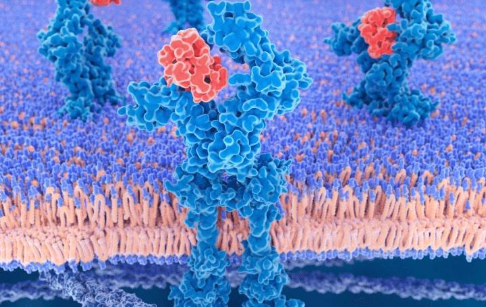
Cytokine testing plays an important role in clinical research involving oncology, autoimmune diseases, infectious diseases, vaccine development, and biologic therapies. Researchers measure cytokine levels to evaluate immune responses, monitor inflammation, and assess treatment effectiveness during clinical studies. Because cytokines are present at very low concentrations, laboratories require validated methods that yield reliable, reproducible results. Regulatory agencies expect validated bioanalytical methods before accepting clinical study data for review. A validated Cytokine Assay helps laboratories maintain consistency and supports the interpretation of immune response data.
Regulatory Expectations for Cytokine Assay Validation
Clinical bioanalysis laboratories follow established regulatory guidance to validate cytokine testing methods before analyzing study samples. Organizations such as the U.S. Food and Drug Administration (FDA) and the International Council for Harmonisation (ICH) recommend that laboratories evaluate several performance characteristics during bioanalytical method validation, including:
- Accuracy
- Precision
- Sensitivity
- Selectivity
- Reproducibility
- Stability
These validation practices help confirm that assays perform consistently throughout clinical testing.
Laboratories operating under Good Laboratory Practice (GLP) standards also maintain:
- Documented workflows
- Qualified instrumentation
- Traceable records
- Standard operating procedures (SOPs)
- Predefined acceptance criteria
- Quality control processes
These controls help reduce analytical variability and improve confidence in reported cytokine data.
Validation Parameters for Cytokine Assays
Several parameters help laboratories determine whether a Cytokine Assay is suitable for clinical testing.
Accuracy And Precision
Accuracy measures how closely reported cytokine concentrations match expected or reference values. Precision evaluates the consistency of repeated measurements under similar testing conditions.
Laboratories typically assess:
- Intra-assay precision (within a single run)
- Inter-assay precision (between different runs)
- Analyst-to-analyst variability
- Instrument-to-instrument reproducibility
Strong accuracy and precision support reliable data generation during clinical studies.
Sensitivity And Quantification Range
Sensitivity refers to the lowest cytokine concentration that can be measured accurately and reproducibly within a validated range by determinining:
- Lower limit of quantification (LLOQ)
- Upper limit of quantification (ULOQ)
- Reportable analytical range
Reliable Cytokine Quantification depends on maintaining acceptable assay performance across clinically relevant concentration ranges.
Specificity And Selectivity
Specificity confirms that the assay detects the intended cytokine without interference from structurally similar molecules or endogenous biological substances. Selectivity studies evaluate potential interference caused by:
- Serum proteins
- Lipids
- Hemolysis
- Anticoagulants
- Other cytokines or biomarkers
This is important in multiplex assays, where multiple analytes are measured simultaneously.
Must Read: Liquid Chromatography-Mass Spectrometry Role in Drug Development Studies
Stability Testing
Laboratories evaluate cytokine stability under different handling and storage conditions before initiating clinical sample analysis. Some of the common stability assessments include:
- Freeze-thaw stability: Assesses analyte integrity after repeated freezing and thawing cycles.
- Bench-top stability: Evaluates cytokine degradation during laboratory handling.
- Long-term storage stability: Confirms analyte reliability during extended frozen storage periods.
- Validated storage conditions: Help reduce reporting errors associated with analyte instability.
These assessments help laboratories maintain sample integrity throughout testing workflows.
Dilution Linearity And Hook Effect Assessment
High analyte concentrations may occasionally suppress assay signals, leading to inaccurate results. Laboratories perform dilution linearity studies to confirm analyte recovery after sample dilution. Analysts evaluate dilution factors to identify potential nonlinearity and verify the accuracy of reporting across varying concentration levels.
Challenges In Clinical Cytokine Testing
Cytokine testing workflows can encounter several analytical and operational challenges that affect reproducibility and data interpretation:
- Biological variability: Patient-specific immune responses may alter cytokine expression patterns.
- Multiplex assay interference: Simultaneous detection of analytes may raise concerns about signal overlap.
- Reagent lot variability: Manufacturing differences may affect assay sensitivity and calibration.
- Sample handling inconsistencies: Delayed processing may contribute to cytokine degradation.
- Matrix-related interference: Endogenous substances may compromise assay reproducibility.
Addressing these challenges helps laboratories improve data reliability during clinical studies.
Platform Considerations For Cytokine Testing
Different technologies present validation requirements and operational characteristics. ELISA, Meso Scale Discovery (MSD), and Luminex platforms differ in sensitivity, throughput, multiplexing capability, and sample volume requirements. Laboratories select analytical platforms based on study objectives, target analytes, and expected concentration ranges.
Assay standardization remains important when laboratories use analytical technologies across clinical programs. Standardized calibration procedures, quality controls, and validated workflows help maintain consistent data reporting between studies and testing sites. Collaboration with an experienced Bioanalytics Company may support assay reproducibility and regulatory compliance during clinical studies.
Best Practices For Reliable Clinical Cytokine Data
Laboratories follow several practices to support assay performance during clinical studies.
- Standardized sample collection procedures: Help minimize pre-analytical variability.
- Qualified controls and standards: Support calibration accuracy and analytical consistency.
- Consistent storage conditions: Preserve cytokine integrity before analysis.
- Ongoing assay monitoring: Helps identify analytical variation during testing.
- Consistent analytical procedures: Support reliable interpretation of immune response data.
Following these practices helps laboratories maintain reproducibility during clinical investigations.
Conclusion
A properly validated cytokine assay helps laboratories generate reproducible and scientifically reliable cytokine data throughout clinical development programs. Regulatory agencies expect laboratories to demonstrate acceptable assay sensitivity, specificity, precision, stability, and reproducibility before generating reportable clinical data. As clinical research continues to expand in areas such as immunotherapy, biologics, and precision medicine, accurate cytokine quantification remains essential for supporting informed scientific and regulatory decisions.

Natural sanitary pads are becoming a popular choice for women who want safer and eco-friendly menstrual care. Unlike conventional pads, they are made with plant-based and chemical-free materials that are gentle on the skin. From organic cotton to biodegradable layers, every ingredient plays an important role in comfort and protection.
Understanding what goes into these pads can help you make healthier and more informed choices. Here’s a closer look at the natural ingredients commonly used in sanitary pads and why they matter.
Organic Cotton Layers in Natural Sanitary Pads
Organic cotton is one of the most common materials used in natural sanitary pads because it is soft, breathable, and gentle on sensitive skin. Unlike regular cotton, organic cotton is grown without harmful pesticides or synthetic chemicals, making it a safer choice for menstrual hygiene.
Many women prefer organic cotton pads because they reduce the chances of irritation, itching, and discomfort during periods. The smooth texture also provides better comfort for long hours of wear. In addition, organic cotton is biodegradable, which makes it an environmentally responsible option for people looking to reduce waste.
Why Bamboo Fiber Is Used in Eco-Friendly Pads
Bamboo fiber is becoming increasingly popular in natural sanitary pads due to its natural antibacterial and moisture-wicking properties. It helps keep the surface dry and comfortable throughout the day while reducing unpleasant odors. Bamboo is also a highly sustainable plant because it grows quickly without requiring excessive water or chemicals.
Pads made with bamboo fibers are known for their softness and durability, giving users a comfortable period care experience. Many eco-friendly brands use bamboo because it supports both personal health and environmental sustainability.
Plant-Based Materials Found in Natural Pads
Natural sanitary pads often contain plant-based ingredients instead of synthetic plastic materials. These can include corn starch, banana fiber, bamboo pulp, and wood pulp, all of which help improve absorbency and comfort. Plant-based materials are chosen because they are biodegradable and safer for daily use.
They also reduce exposure to harsh chemicals that may be present in conventional pads. Many consumers today are switching to products made from renewable resources to support healthier lifestyles and reduce environmental impact.
The Role of Biodegradable Back Sheets in Sanitary Pads
The back sheet of a sanitary pad is important because it prevents leakage and keeps clothing protected. In natural sanitary pads, biodegradable back sheets are used instead of petroleum-based plastics. These layers are often made from compostable materials that naturally break down over time.
This helps reduce landfill waste and supports sustainable living practices. Women who care about eco-friendly period products often choose biodegradable pads because they offer reliable protection without causing long-term environmental damage.
How Chlorine-Free Pads Support Safer Period Care
Many traditional sanitary pads are processed using chlorine bleaching, which can leave behind harmful chemical residues. Natural sanitary pads avoid this process by using chlorine-free materials that are safer for the body. Chlorine-free pads are considered a healthier option because they lower the risk of skin irritation and chemical exposure.
They also maintain the natural quality of the fibers used inside the pad. Choosing chlorine-free products can help support better intimate hygiene while providing comfort during menstruation.
Natural Absorbent Cores Used in Modern Sanitary Pads
The absorbent core is one of the most important parts of a sanitary pad because it locks in moisture and prevents leaks. In natural sanitary pads, absorbent cores are usually made from wood pulp, organic cotton, or plant cellulose. These natural materials are effective at absorbing menstrual flow while remaining breathable and lightweight.
Unlike synthetic gels used in some conventional products, natural absorbent cores are free from unnecessary chemicals. This makes them more suitable for women with sensitive skin or allergies.
Fragrance-Free Ingredients in Organic Menstrual Pads
Fragrance-free sanitary pads are preferred by many women because artificial scents can sometimes cause irritation and discomfort. Natural sanitary pads avoid synthetic perfumes and instead focus on clean, simple ingredients. Fragrance-free products help maintain the natural balance of sensitive skin and reduce the risk of allergic reactions.
They are especially beneficial for women with skin sensitivities or recurring irritation issues. By avoiding added fragrances, natural pads provide a safer and more comfortable menstrual care experience.
Eco-Conscious Materials Used in Sustainable Period Products
Sustainable period products are designed using eco-conscious materials that minimize environmental harm. These materials may include biodegradable fibers, recycled paper packaging, and compostable layers. Eco-conscious sanitary pads help reduce plastic pollution while promoting responsible consumption.
Many brands are now focusing on sustainability because consumers are becoming more aware of environmental issues. Choosing products made from sustainable materials supports a cleaner planet and encourages greener manufacturing practices.
Skin-Friendly Components Found in Chemical-Free Pads
Chemical-free sanitary pads are made with skin-friendly materials that help prevent rashes, itching, and irritation. These pads avoid harmful substances such as dyes, synthetic fragrances, and harsh chemicals. Instead, they use natural fibers that allow better airflow and improve comfort during periods.
Skin-friendly pads are particularly important for women with sensitive skin or allergies. Using gentle ingredients can make a significant difference in overall menstrual comfort and hygiene.
Renewable and Earth-Safe Ingredients in Natural Sanitary Pads
Natural sanitary pads are often made with renewable ingredients that can be replenished without harming the environment. Materials like bamboo, organic cotton, and plant cellulose are considered earth-safe because they naturally decompose after disposal. These renewable resources help reduce dependence on plastic-based materials and support sustainable living.
Consumers today are increasingly choosing products that align with eco-friendly values and healthier lifestyles. By selecting sanitary pads made from renewable ingredients, women can support both personal well-being and environmental protection.
conclusion
Natural sanitary pads are made with thoughtfully selected ingredients that support both personal comfort and environmental care. From organic cotton and bamboo fibers to biodegradable layers, these materials provide a safer and gentler menstrual care experience.
Choosing natural pads can help reduce exposure to harsh chemicals while also lowering environmental waste. Understanding the ingredients used in these pads allows consumers to make healthier, eco-friendly, and more informed choices for their everyday wellness.

Common Dental Problems and How to Prevent Them

Using a Mortgage Loan EMI Calculator to Estimate Your Monthly Payments

Open Demat Account Easily with Step-by-Step Online Guide

Reid Health Meta Pixel Class Action Lawsuit: Settlement, Patient Data, and Privacy Implications

www.healthsciencesforum.com: Your Complete Guide to Health Insights, Resources, and Community Support

MyZaxbysfeedback Survey – How to Claim Rewards and Enhance Your Zaxby’s Experience

-
 HEALTH4 months ago
Reid Health Meta Pixel Class Action Lawsuit: Settlement, Patient Data, and Privacy Implications
-
 HEALTH4 months ago
www.healthsciencesforum.com: Your Complete Guide to Health Insights, Resources, and Community Support
-
 HEALTH4 months ago
MyZaxbysfeedback Survey – How to Claim Rewards and Enhance Your Zaxby’s Experience
-

 HEALTH4 months ago
OneShare Health Review 2026 – Plans, Costs, and Member Benefits
-
 HEALTH5 months ago
Ariel Gonzalez Platinum Health: A Comprehensive Guide to Transformative Wellness Solutions
-

 HEALTH4 months ago
Betanden: Meaning, Origins, Modern Usage, and Everything You Need to Know
-

 HEALTH4 months ago
Water Flosser QXJ0: Ultimate Guide to Effortless and Effective Oral Care
-

 FINANCE4 months ago
Ultimate Guide to TechZone Electronics Financing: Flexible Options for Every Budget