
HEALTH
How To Optimize Salt Concentration For Active Protein Stability


If you have ever seen a perfectly expressed protein suddenly lose activity or start aggregating during purification, you know how frustrating it can be. Everything may look fine on paper, but small changes in buffer conditions can quietly disrupt your results. One of the most overlooked factors in this process is salt concentration.
If you have ever worked with an active protein and noticed inconsistent results, salt levels in your buffer might be playing a bigger role than expected.
Why Salt Matters More Than It Seems
Proteins do not exist alone. They are surrounded by water and ions that affect how they fold, interact, and stay stable. Salt, in the form of sodium chloride, affects these interactions.
The amount of salt helps keep protein structure stable. It shields charged parts on the protein surface and prevents interactions. The problem starts if the balance is wrong.
Little salt can cause proteins to stick together. This happens because there is no shielding from ions. Much salt can disrupt the protein’s structure or make it less soluble.
This is why a buffer that works well for one protein may not work for another.
How To Identify And Optimize The Right Salt Conditions For Protein Stability
Finding the right range
There is no universal salt concentration that works for all proteins. However, most proteins remain stable in a moderate range, typically between 100 to 300 mM sodium chloride.
If your protein is unstable, it helps to think in terms of gradual adjustment rather than drastic changes. Start with a middle range and test both lower and higher concentrations.
For example, if you are working at 150 mM, try small variations like 100 mM and 250 mM. These small shifts can reveal a lot about how your protein behaves.
Watch for common warning signs
Salt-related instability does not always show up clearly at first. Instead, you may notice subtle issues.
Your protein might start precipitating during purification. Activity may drop after storage. In some cases, binding assays become inconsistent.
Instead of changing everything at once, adjusting salt concentration is one of the simplest variables to test.
Balance stability and function
One important detail many researchers run into is that stability and activity are not always aligned. A higher salt concentration can help keep the protein stable. It might reduce how well the protein works.
This happens often with proteins that use charges to work, like proteins that bind to other things or enzymes.
The goal here is to find a ground. You want the protein to be stable enough to work with. The protein still needs to do its job properly. You have to test both how stable the protein is and how well it works.
You can’t just look at how the protein looks on a test and assume it’s good to go. Testing both is important. It helps you find the conditions for the protein to work properly.
Practical Tips That Actually Help
Making small changes can really make a big difference in the work you do every day.
When you can make buffers. Over time, the liquid in the buffers can. Get contaminated, which can change how strong the ions are in the buffer.
You should try not to make changes in how much salt is in the buffer.
When you are purifying something, it is better to make changes in the buffer. This helps prevent problems with the protein.
If you are using a lot of buffers for different steps, try to keep the amount of salt the same in all of them unless you have a good reason to change it.
It is also an idea to write down any small changes you make. Even a small difference, like 50 mM, can affect your results.
Having a record of the changes you make can make it a lot easier to figure out what went wrong.
You can look back at what you did. See what might have caused the problem, which makes troubleshooting easier.
Connecting it back to experiments
Salt concentration affects how stable your protein is and how good your results will be. If your protein starts behaving, changing salt levels usually fixes the problem fast.
For results, it also helps to get your proteins and reagents from a trustworthy supplier, like AAA Bio.
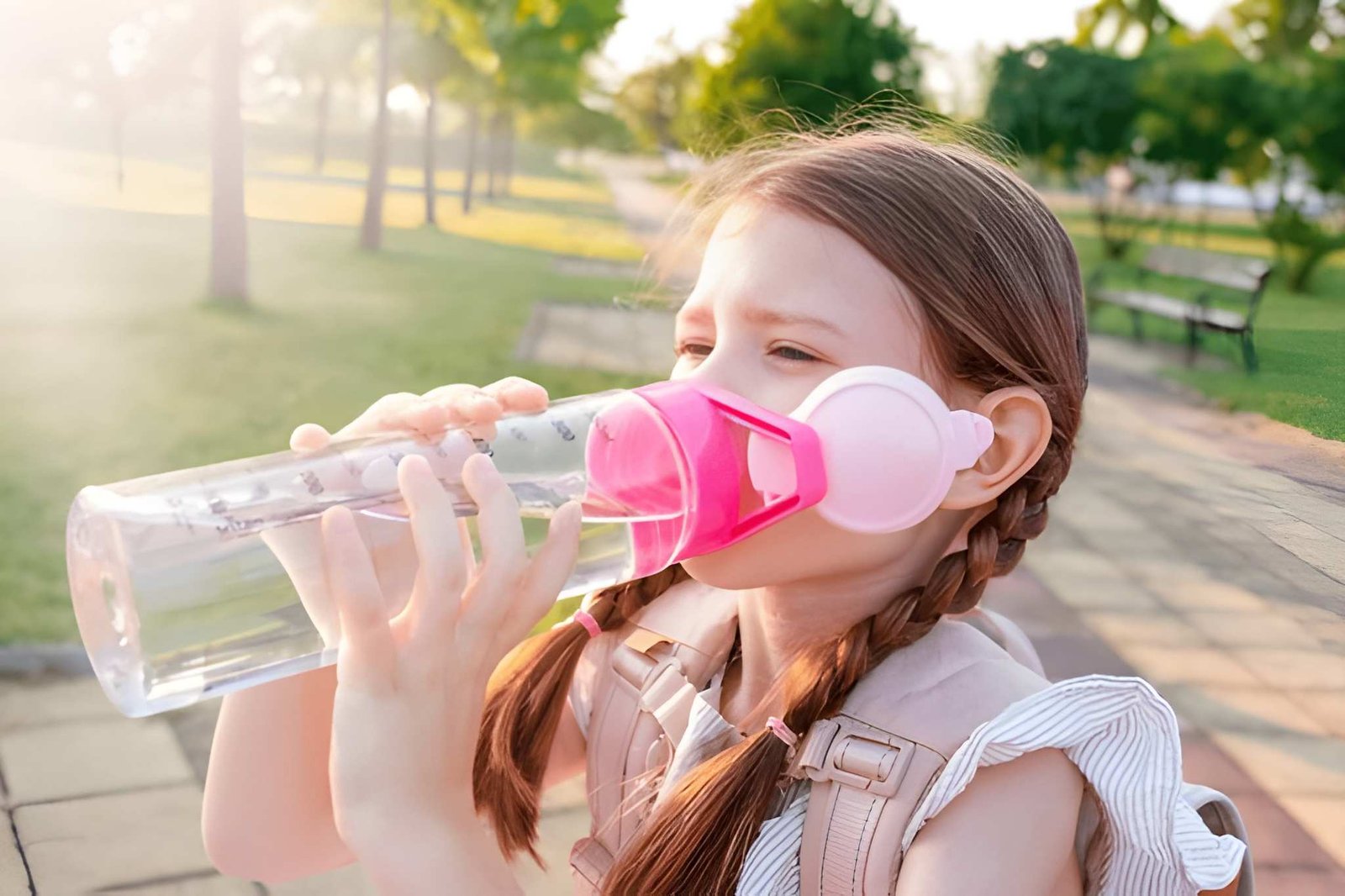
It was a regular school morning in Karachi. Sana packed her daughter’s bag, carefully placing books, lunch, and a shiny insulated water bottle she had recently bought. It looked premium and strong. When her daughter returned home, the bottle was still full. Sana asked, “Why didn’t you drink water?”
Her daughter replied, “It’s too heavy, and I can’t open it easily.”
The next day, Sana switched to a lightweight kids sipper bottle with a bright design. That evening, the bottle came back empty. Same child, same school, but a different result.
That small change reveals something important. Choosing the right school water bottle for kids is not about trends or price. It is about comfort, usability, and habit-building.
This blog explains whether insulated bottles are truly necessary, compares plastic water bottle vs. insulated water bottle for school kids, and helps you choose the best option in Pakistan.
Are Insulated Water Bottles Really Necessary for School Kids?
A simple answer first. Insulated water bottles are not always necessary for kids at school. What matters more is ease of use, comfort, and regular hydration.
Insulated bottles are designed to keep liquids hot or cold for long hours. While this feature sounds useful, most school environments do not require temperature control for extended periods. Children need a bottle that they can easily carry, open, and use throughout the day.
A plastic water bottle for school kids often performs better in daily school routines. It is lightweight, easy to handle, and suitable for frequent use. The main goal is not to keep water cold all day. The goal is to make sure kids drink water regularly.
What Type of Water Bottle Is Best for School?
The best school water bottle is the one that fits a child’s routine. It should be easy to use, safe, and comfortable to carry.
Key Characteristics of the Best School Bottle
- Lightweight design for easy carrying
- Leak-proof bottle to prevent spills in school bags
- BPA free water bottles for safe drinking
- Simple lid mechanism for quick access
Durable material that lasts long
A school water bottle for kids should support their daily habits. If a bottle is too heavy or complicated, children may avoid using it.
Did you know? A primary school in Lahore observed that children using lightweight plastic bottles drank water more frequently than those using heavy insulated bottles. Teachers noticed better focus and fewer complaints of tiredness.
“The child develops through experience.” Maria Montessori
A simple, easy-to-use bottle becomes part of that experience.
What Lid Is Most School-Friendly?
The lid design plays a major role in how children use their bottles.
Types of Lids for Kids Bottles
Flip-Top Lid
- Easy to open with one hand
- Prevents spills
- Ideal for quick drinking during breaks
Straw or Sipper Lid
- Suitable for younger kids
- Encourages frequent sipping
- Reduces chances of spilling
Screw Cap Lid
- Secure but requires effort to open
- Not always suitable for small children
Which One Works Best?
For most children, a kids sipper bottle with a straw or flip-top lid works best. It supports easy drinking and fits well into a school routine.
What Size Water Bottle Is Best for Kids?
Choosing the right size depends on the child’s age and daily schedule.
Ideal Size Range
- Small bottles for younger children
- Medium bottles for primary school kids
- Larger bottles for older students with longer school hours
Why Size Matters
- A large bottle may feel heavy
- A very small bottle may not hold enough water
- The right size supports comfort and regular use
A balanced size helps children stay hydrated without feeling burdened.
Plastic Water Bottle vs. Insulated Water Bottle for School Kids
| Feature | Plastic Water Bottle | Insulated Water Bottle |
| Weight | Lightweight and easy to carry for kids, making it ideal for daily school use | Heavier due to double-layer design, which may feel uncomfortable for younger children |
| Usability | Simple to open and use, encouraging frequent hydration throughout the day | Often requires more effort to open and handle |
| Purpose | Designed for everyday hydration and ease of use | Designed for temperature control rather than convenience |
| Suitability | Perfect for school routines and active use | Better suited for travel or outdoor activities |
The Big Misconception About Plastic Water Bottles
There is a common belief that plastic water bottles are unsafe for children. Many parents assume that plastic bottles should be avoided completely.
The Misconception
Some people believe that all plastic bottles release harmful chemicals and are not suitable for kids.
The Reality
The truth is that BPA free water bottles made from high-quality materials are completely safe. The issue is not plastic itself but the quality of the material.
What Makes Plastic Bottles Safe?
- BPA-free certification
- Food-grade material
- Proper cleaning and maintenance
Plastic water bottles used by reputable brands are designed for safe daily use.
What Parents Should Avoid
- Using low-quality bottles
- Not cleaning bottles regularly
- Exposing bottles to extreme heat unnecessarily
Understanding this difference helps parents make better decisions. A good plastic water bottle is safe, practical, and widely used.
How Does a Leak-Proof Bottle Improve School Life?
A leak-proof bottle is essential for school use.
Benefits of Leak-Proof Bottles
- Protects books and bags from water spills
- Allows kids to carry bottles without worry
- Maintains hygiene inside the bag
Children are active, and their bags move constantly. A secure bottle design prevents unnecessary problems during the day.
DID YOU KNOW?
Research shows that children who drink enough water during school hours can improve concentration levels by up to 20 percent, helping them stay focused in class.
Why Do Kids Prefer Sipper Bottles Over Regular Bottles?
Kids naturally prefer bottles that are easy and fun to use.
Reasons Behind This Preference
- Easy to drink without tilting the bottle
- Attractive designs and colors
- Comfortable grip for small hands
A kids sipper bottle combines usability and design, making it a popular choice for school.
Fun Fact! A retailer in Islamabad reported higher demand for colorful and sipper-style bottles compared to plain designs. Parents shared that children were more excited to carry these bottles to school.
“If you can dream it, you can do it.” Walt Disney
Even a simple bottle can inspire excitement in children.
What About Kids Water Bottles in Pakistan?
Parents often look for affordable and reliable options.
Availability in Pakistan
Kids water bottles in Pakistan are available in various designs, sizes, and price ranges. From simple plastic bottles to advanced insulated options, there is something for every need.
Price Consideration
The school water bottle price in Pakistan depends on:
- Material quality
- Design and features
- Brand reputation
Affordable and high-quality options are widely available, making it easy for parents to choose the right bottle.
Why Apple Homeware Is a Smart Choice for School Bottles?
Now that you understand what makes a good school water bottle, you might be thinking about where to find one that combines quality, safety, and design.
Apple Homeware is known as the largest drinkware manufacturer in Pakistan, offering a wide range of school bottles designed for kids. Their products include BPA free water bottles, kids sipper bottles, and lightweight plastic bottles that fit perfectly into school routines.
Parents looking for water bottles online in Pakistan often choose Apple Homeware because of its reliable quality and practical designs. Their bottles are durable, easy to use, and suitable for everyday school use.
If you are searching for kids water bottles in Pakistan or comparing school water bottle price in Pakistan, Apple Homeware offers options that balance affordability and performance.
With strong materials and user-friendly designs, Apple Homeware makes it easier for kids to stay hydrated and comfortable during school hours.
DID YOU KNOW?
According to UNICEF insights, proper hydration helps children stay active, reduces fatigue, and supports better learning performance during long school hours.
Final Thoughts: What Should You Really Choose?
Here is the simple takeaway. Insulated bottles are not always necessary for school kids. What matters more is comfort, usability, and habit-building.
A plastic water bottle for school kids often performs better because it is lightweight, easy to use, and suitable for daily routines. When children can easily access water, they are more likely to stay hydrated.
Choosing the right school bottle is not about trends. It is about understanding your child’s needs. A simple, practical bottle can make a big difference in their daily routine.
“Children are not things to be molded, but are people to be unfolded.” – Jess Lair
Pick a bottle that your child enjoys using. That small choice can support a healthier and happier school experience.
FAQs
Are insulated water bottles necessary for kids?
No, they are not always necessary. Lightweight bottles are often more practical for school use.
Are plastic water bottles safe for kids?
Yes, BPA-free plastic bottles made from high-quality materials are safe.
What type of water bottle is best for school?
A lightweight, leak-proof bottle with an easy lid design is best.
What size bottle should kids use?
Medium-sized bottles are ideal for most school routines.
Are kids water bottles in Pakistan affordable?
Yes, there are many options available at different price ranges.
Be sure to check back for more exciting news on biologyterminology.com!

The Ultimate Guide to the Transformative Yoga Teacher Training Retreat Experience
The decision to embark on a yoga teacher training retreat is rarely just about professional development; it is a profound commitment to personal evolution. For many practitioners, the transition from being a student in a crowded city studio to standing at the front of a room as a guide requires a container that is both supportive and challenging. An immersive retreat provides exactly that—a sanctuary where the distractions of modern life are stripped away, allowing the ancient wisdom of yoga to move from the head to the heart. This journey is as much about unlearning old habits as it is about acquiring new skills. When you immerse yourself in a dedicated environment, the practice ceases to be a one-hour appointment on your calendar and becomes the very rhythm of your life, from the first breath at sunrise to the final meditation under the stars.
The Essence of Immersion in Teacher Training
At its core, a yoga teacher training retreat is designed to facilitate a state of “Sadhana,” or dedicated spiritual practice. Unlike modular courses that take place over several months of weekends, an immersion forces a total reset of the nervous system. By removing the daily grind of commutes, emails, and social obligations, students can dive into the complexities of anatomy, philosophy, and sequencing without the mental “noise” that usually follows them. This intensity is where the magic happens; it creates a pressurized environment that helps students break through physical plateaus and emotional blockages. The beauty of the retreat model is that it provides a safe, held space for this vulnerability, supported by a community of like-minded souls who are all navigating the same transformative waters.
The Power of a Dedicated Environment
The physical location of a retreat acts as a silent co-teacher throughout the program. Whether it is the sound of crashing waves, the rustle of jungle leaves, or the thin, pure air of the mountains, nature plays a vital role in grounding the practitioner. In a yoga teacher training retreat, the environment is intentionally chosen to mirror the expansiveness we seek within ourselves. Living in close proximity to nature helps students realign their circadian rhythms, leading to better sleep, improved digestion, and a heightened state of awareness. This physiological regulation is the foundation upon which deep learning is built, as a calm body is far more capable of absorbing the intricate details of Sanskrit terminology and biomechanical alignment than one stuck in a “fight or flight” response.
Core Elements of a Comprehensive Curriculum
A truly world-class yoga teacher training retreat must provide a balanced education that covers the physical, mental, and spiritual dimensions of the practice. The curriculum usually begins with the “Asana Lab,” where the mechanics of every pose are deconstructed. Students learn not just what a pose looks like, but why it is performed, how to modify it for different bodies, and the energetic effects it has on the system. This is paired with a deep dive into functional anatomy, moving beyond memorizing bone names to understanding how muscles and fascia interact in movement. However, the physical practice is merely the gateway; a robust program will dedicate significant time to the “Yoga Sutras,” the “Hatha Yoga Pradipika,” and the historical context of these teachings to ensure graduates are passing on a tradition that is both authentic and respected.
Finding Your Authentic Teaching Voice
One of the most intimidating aspects of becoming a teacher is finding the confidence to lead. Many programs focus heavily on “Practice Teaching” from the very first week. This isn’t about being perfect; it’s about getting comfortable with the sound of your own voice and learning how to hold space for others. You learn the art of verbal cueing, the importance of silence, and how to read the energy of a room. A significant part of this process involves exploring your own “Dharma” or life purpose. By the end of a yoga teacher training retreat, the goal is not for you to sound like your teacher, but to sound like a more clarified version of yourself. This authenticity is what will eventually draw students to your classes and allow you to build a sustainable career in the wellness industry.
Choosing the Right Style and Destination
The global landscape of yoga education is vast, offering everything from rigorous Ashtanga intensives to restorative and Yin-focused immersions. Selecting the right yoga teacher training retreat requires honest self-reflection about your current practice and your future goals. If you thrive on discipline and structure, a traditional Hatha or Vinyasa program might be best. If you are drawn to the therapeutic and healing side of yoga, you might look for a course that emphasizes trauma-informed practices or somatic experiencing. The destination also colors the experience; for instance, training in India offers a deep connection to the roots of the practice, while a retreat in Central America might offer a more modern, holistic wellness approach with an emphasis on sustainability and “Pura Vida” living.
Researching Schools and Lineages
Before putting down a deposit, it is crucial to investigate the lineage and the lead trainers of the program. Who did they study with? What is their philosophy on adjustment and student safety? A reputable yoga teacher training retreat will be transparent about its syllabus and the credentials of its staff. Reading testimonials from past students can provide insight into the “vibe” of the school—some are very academic and disciplined, while others are more heart-centered and community-oriented. Ensure the school is registered with an international body like Yoga Alliance, which guarantees that the program covers the required hours of techniques, methodology, anatomy, and ethics needed for global recognition.
Planning for the Investment: Costs and Logistics
The financial commitment for a yoga teacher training retreat is significant, typically ranging from $2,500 to $6,000. This price usually includes tuition, shared or private accommodation, and three healthy, vegetarian or vegan meals a day. While it may seem like a large sum, when broken down by the hour, it often represents excellent value for the level of personalized instruction and the all-inclusive nature of the stay. When budgeting, don’t forget to factor in “out-of-pocket” expenses such as international flights, travel insurance, visa fees, and required textbooks. Many schools offer early-bird discounts or payment plans to make the training more accessible to those who are dedicated but on a tighter budget.
Preparing Your Body and Mind
Success in a yoga teacher training retreat starts long before you board the plane. It is wise to increase the frequency of your personal practice in the months leading up to the immersion to build physical stamina. However, preparation isn’t just physical; it’s also about mental readiness. Starting a daily meditation or journaling habit can help you prepare for the emotional processing that often accompanies such a deep dive. If you are heading to a yoga teacher training retreat at a renowned center like Yandara, you can expect a curriculum that emphasizes the heart-connection and technical precision required to be an impactful teacher in today’s world. This preparation ensures that you arrive not just with a packed suitcase, but with a receptive mind ready to receive the teachings.
Practical Insights: A Day in the Life of a Trainee
Life on a yoga teacher training retreat follows a rhythmic, disciplined schedule designed to maximize learning and integration. A typical day might start at 5:30 AM with “Satsang”—a gathering for meditation, chanting, and philosophical discussion—as the world wakes up. This is followed by a two-hour asana practice that challenges your limits and refines your technique. After a nutritious breakfast, the mid-morning is often spent in anatomy or philosophy lectures where the “why” behind the “how” is explored. The afternoon is usually more interactive, focusing on teaching methodology, hands-on adjustments, and peer-to-peer practice teaching sessions where you begin to apply the morning’s theory.
The Importance of Rest and Integration
While the schedule is full, a well-designed yoga teacher training retreat understands the necessity of “down time.” Integration is just as important as the learning itself. These quiet windows—whether spent walking on the beach, napping, or reflecting in a hammock—allow the nervous system to process the massive amounts of information and emotional shifts occurring. Students are encouraged to use this time for “Svadhyaya” or self-study, reflecting on how the teachings apply to their own lives. These moments of stillness are often when the “aha!” moments happen, where a complex philosophical concept suddenly makes perfect sense or a physical cue finally clicks in the body.
Avoiding Common Pitfalls in Your Journey
One of the biggest mistakes aspiring teachers make is viewing the certification as the “end” of the journey rather than the beginning. A yoga teacher training retreat provides the foundation, but the true mastery comes through years of consistent teaching and continued study. Another common pitfall is the “comparison trap.” In an intensive group setting, it is easy to compare your flexibility or teaching style to others. Remember that yoga is a personal journey; your unique background, whether it’s in corporate business, art, or parenting, is what will make you a relatable and effective teacher. Focus on your own growth rather than trying to mimic someone else’s path.
Physical Safety and Burnout Prevention
With the high volume of physical practice, there is a real risk of overtraining or injury if you aren’t careful. It is vital to communicate with your trainers about any pre-existing injuries or if you feel a “bad” pain developing. A good yoga teacher training retreat will teach you the difference between the discomfort of growth and the sharp pain of injury. Learn to use props—blocks, straps, and bolsters are not “cheating”; they are essential tools for longevity in the practice. Managing your energy is also key; if you find yourself feeling emotionally overwhelmed, don’t be afraid to take a step back and practice “Ahimsā” (non-violence) toward yourself.
Future Trends in Yoga Education and Retreats
The world of yoga is shifting toward a more specialized and inclusive approach. Modern yoga teacher training retreat programs are increasingly incorporating elements of neuroscience, mental health awareness, and social justice. We are seeing a move away from the “one-size-fits-all” alignment cues toward a more functional, bio-individual approach that respects the unique skeletal structure of every student. There is also a significant trend toward “hybrid” learning, where students complete their theoretical hours online and then meet in person for a shorter, high-intensity practical retreat. This makes the path to certification more accessible for those with full-time jobs or family commitments.
Sustainability and Ethical Travel
As practitioners of a philosophy that values “Asteya” (non-stealing) and “Aparigraha” (non-greed), yoga students are increasingly demanding that their retreats reflect these values. The future of the yoga teacher training retreat lies in sustainable practices—centers that use solar power, support local farmers, and pay fair wages to their staff. Furthermore, there is a growing dialogue around cultural appropriation, ensuring that Western teachers respect the Indian roots of the practice while making it relevant for a modern audience. Choosing a retreat that prioritizes ethical tourism ensures that your personal growth doesn’t come at the expense of the local community or the planet.
Conclusion: Returning Home to a New Beginning
Completing a yoga teacher training retreat is a momentous achievement, but the real work begins when you step off the mat and back into your daily life. The true test of your training isn’t whether you can do a handstand, but how you handle a difficult conversation, how you manage stress, and how you show up for your community. You return home with a new set of eyes, a stronger body, and a voice that is ready to share the transformative power of yoga with others. The certification is merely a piece of paper; the real gift is the expanded version of yourself that you discovered during those weeks of immersion.
As you begin your teaching career, remember to stay a student first. The most inspiring teachers are those who continue to learn, who remain curious, and who teach from a place of genuine experience rather than just theory. Your yoga teacher training retreat was the spark, but you are the one who must keep the flame alive through daily practice and service. The world needs authentic, compassionate, and well-trained guides now more than ever. By committing to this path, you are not just changing your own life—you are contributing to the collective well-being of everyone you will eventually teach.


Square Hang Tags for Branding Excellence

Rectangle Tags for Modern Branding and Packaging Identity

Termite Control Treatment Services in Lahore – Protect Your Property Before It’s Too Late

Reid Health Meta Pixel Class Action Lawsuit: Settlement, Patient Data, and Privacy Implications

Ultimate Guide to TechZone Electronics Financing: Flexible Options for Every Budget

MyZaxbysfeedback Survey – How to Claim Rewards and Enhance Your Zaxby’s Experience

-
 HEALTH3 months ago
Reid Health Meta Pixel Class Action Lawsuit: Settlement, Patient Data, and Privacy Implications
-
 FINANCE3 months ago
Ultimate Guide to TechZone Electronics Financing: Flexible Options for Every Budget
-
 HEALTH3 months ago
MyZaxbysfeedback Survey – How to Claim Rewards and Enhance Your Zaxby’s Experience
-

 HEALTH3 months ago
www.healthsciencesforum.com: Your Complete Guide to Health Insights, Resources, and Community Support
-

 HEALTH3 months ago
Betanden: Meaning, Origins, Modern Usage, and Everything You Need to Know
-

 HEALTH3 months ago
OneShare Health Review 2026 – Plans, Costs, and Member Benefits
-
 HEALTH3 months ago
Pet5ardas com: What It Is, What You Need to Know & Safety Insights
-

 HEALTH3 months ago
Water Flosser QXJ0: Ultimate Guide to Effortless and Effective Oral Care